Last updated November 21, 2026
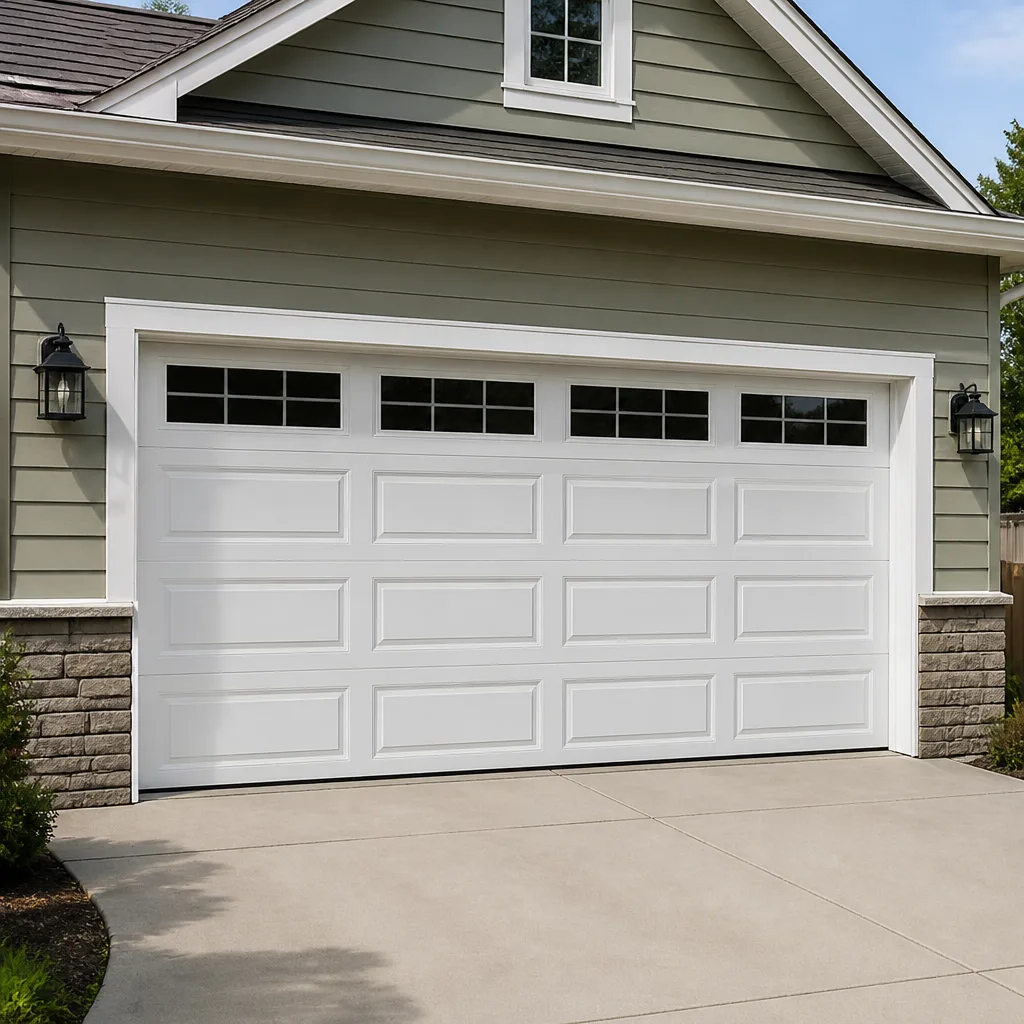 Raised-panel steel
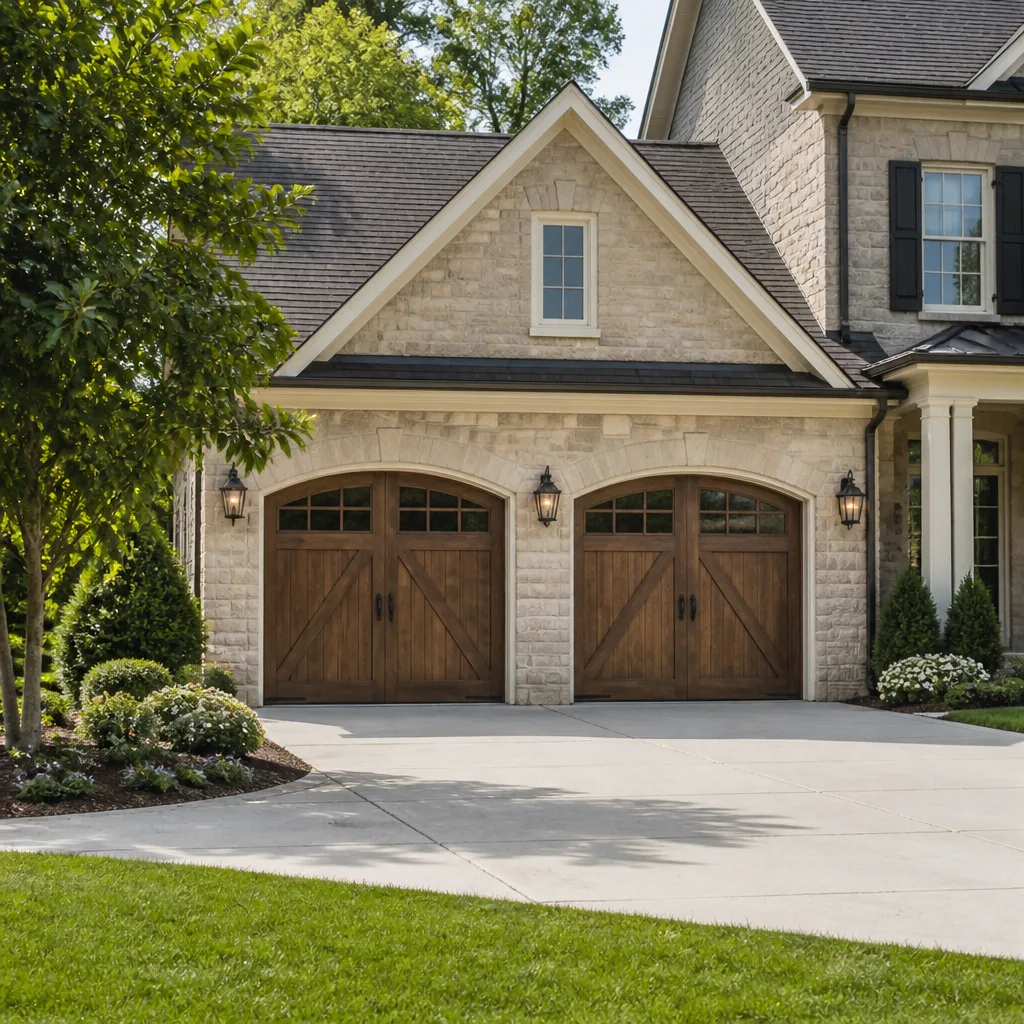 Carriage house
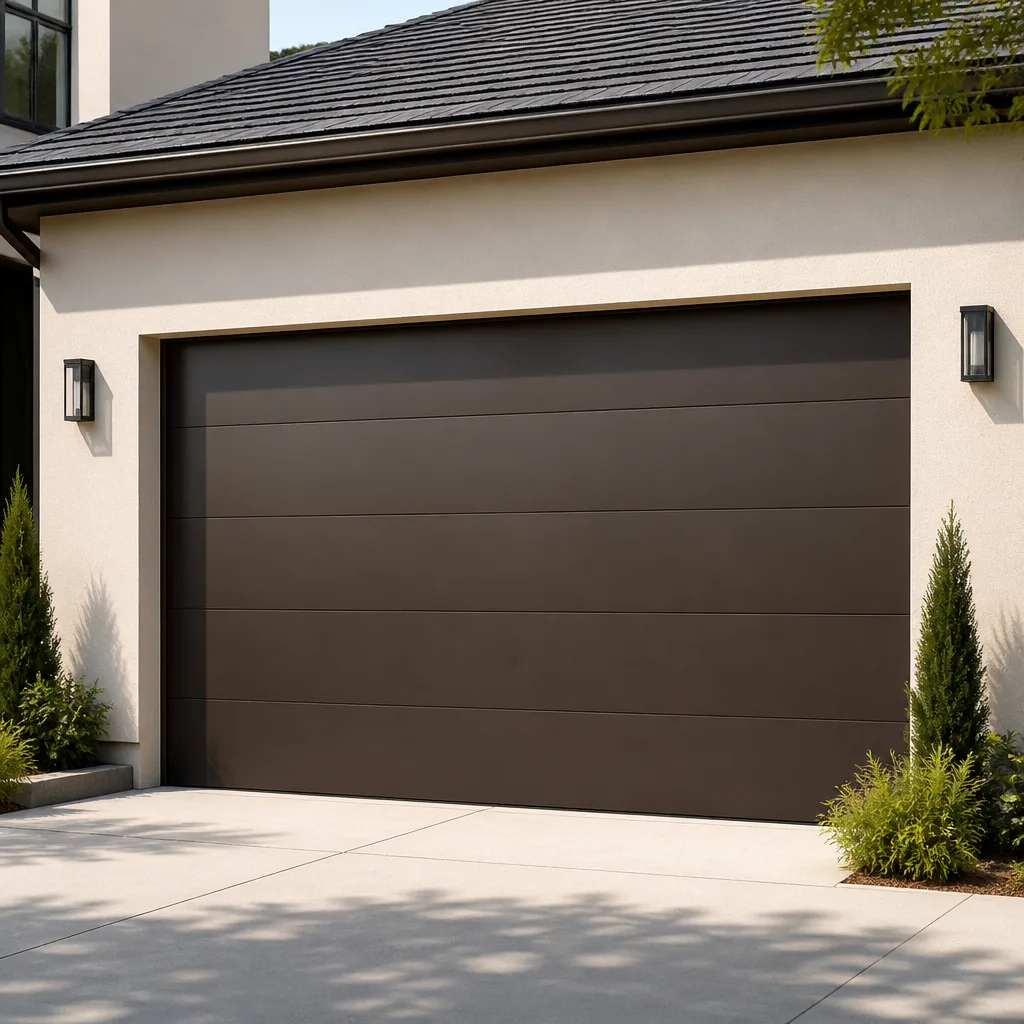 Modern flush
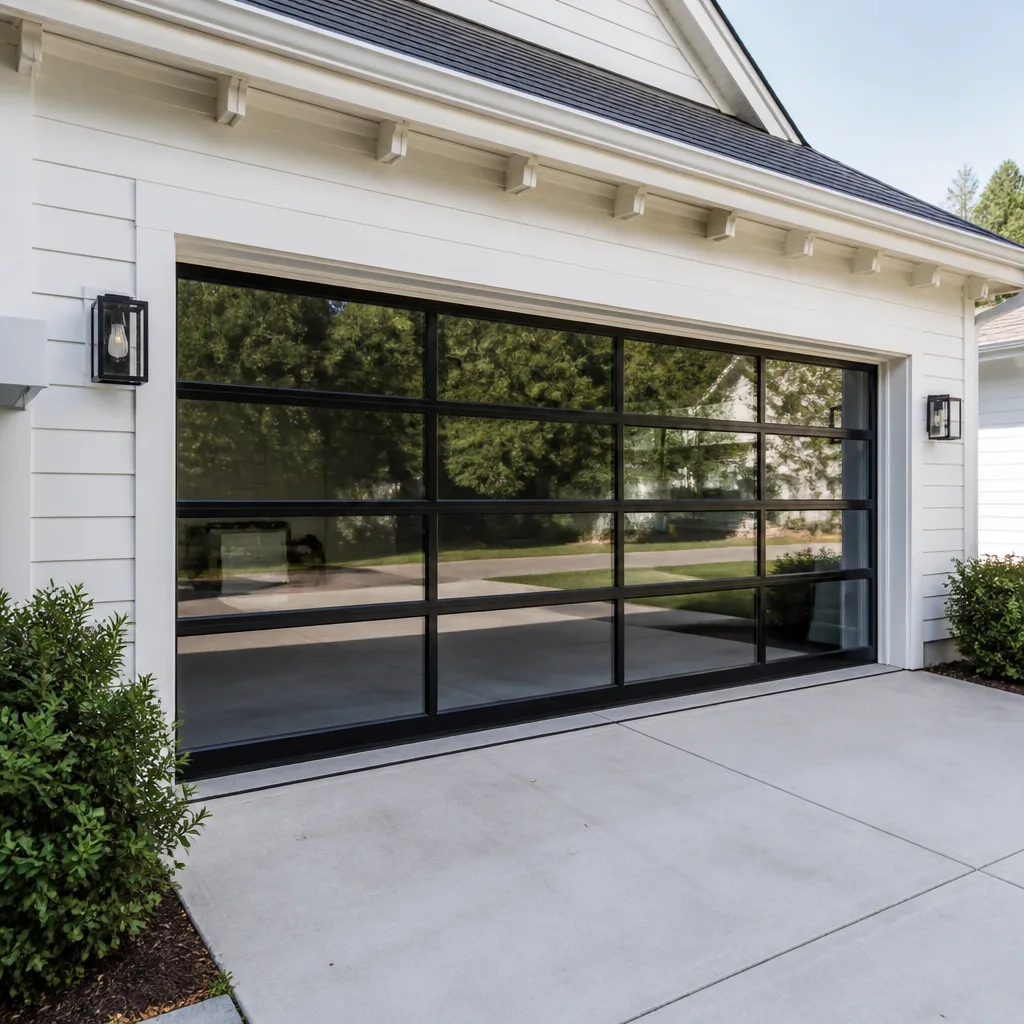 Full-view glass
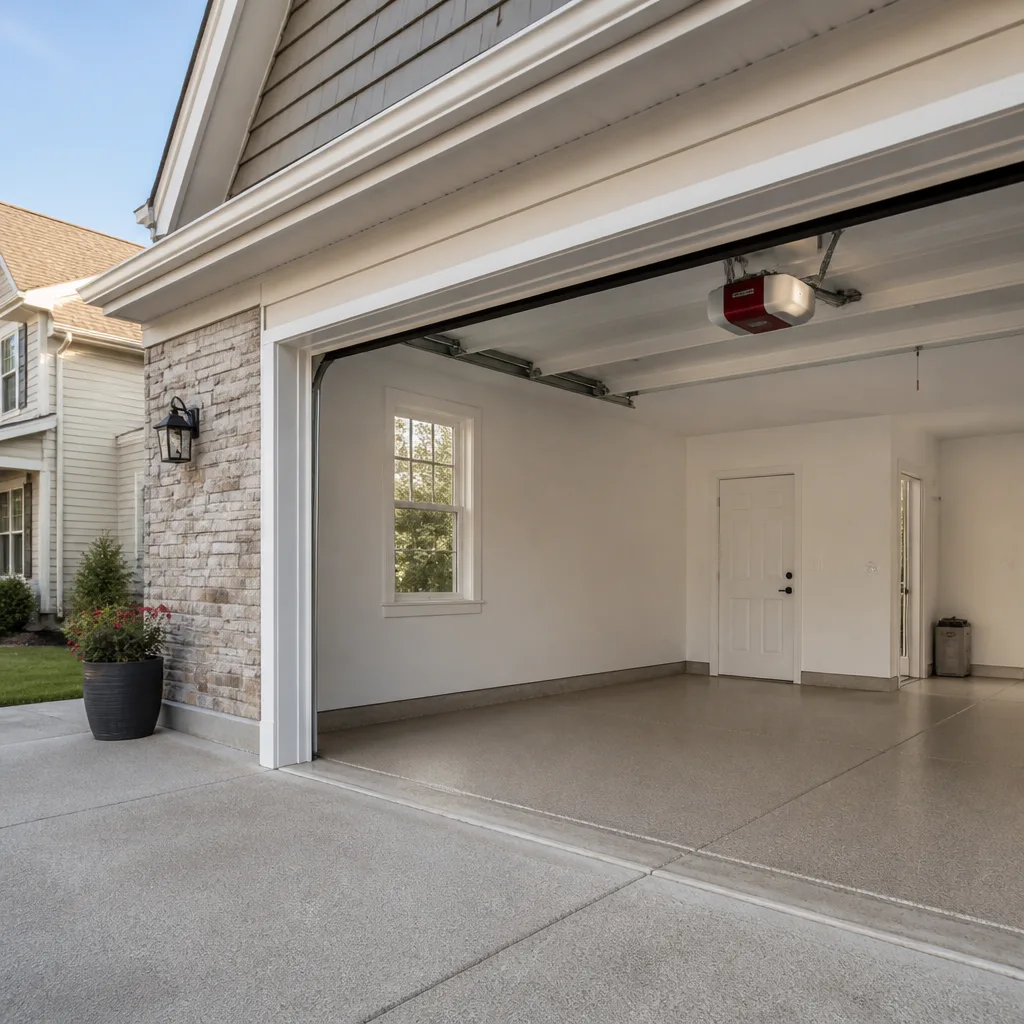 LiftMaster openers
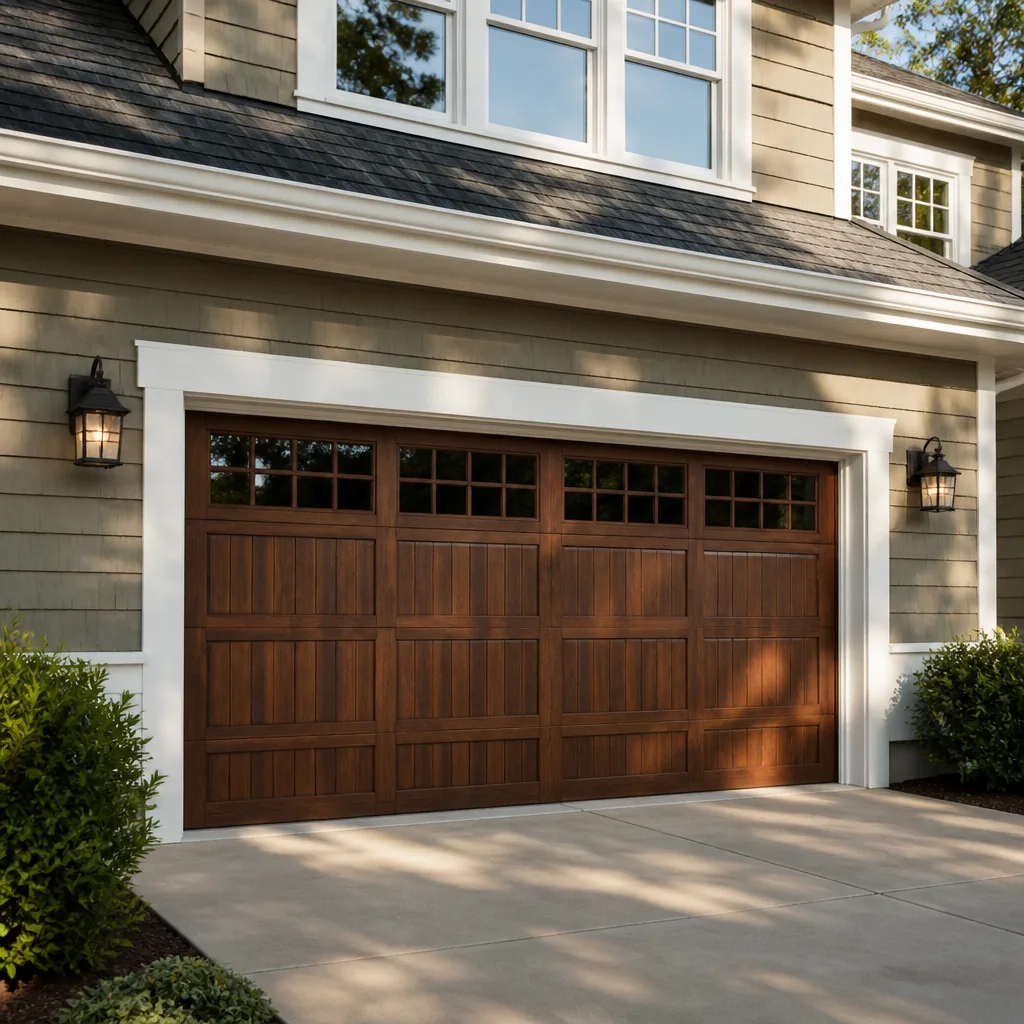 Chamberlain openers
Full 25-point door and opener safety check with every visit - springs, cables, rollers, tracks, and your LiftMaster or Chamberlain opener included
You get a price before we start. It does not change when the pro arrives.
Get your free estimateChoosing the Right Garage Door Brand: A Buyer’s Guide for Carmel
Clopay and Wayne Dalton both advertise R-16 insulation ratings, but the test method behind those numbers isn’t the same. Clopay measures a whole-door assembly that accounts for thermal bridging at the steel sections; some competitors measure the polyurethane core alone, which can inflate the figure by 20-30%. In a Hamilton County winter, that gap shows up where you’d notice it – on your gas bill and on the inside face of the door. The brand you choose also decides what replacement panels your local supplier stocks, how long a warranty claim takes to resolve, and whether the door satisfies your HOA’s architectural standard. This guide walks through those criteria for Carmel, from steel gauge to opener pairing.
Quick Answer
The right garage door brand for a Carmel home usually comes down to three things: whether a local distributor stocks replacement panels for it, how honestly it rates its insulation, and whether its warranty covers panel rust-through at the bottom corners. Clopay, Amarr, and Wayne Dalton are the most widely installed lines here, and each has a different distribution footprint in the Indianapolis metro. For most Carmel homes, we suggest starting with the panel that’s locally stocked rather than the one with the highest advertised R-value.
Styles & brands we work with
- Raised-panel steel
- Carriage house
- Modern flush
- Full-view glass
- LiftMaster openers
- Chamberlain openers
Table of Contents
- How locally available is each brand in the Indianapolis metro?
- Which brands hold up to Carmel’s humidity and temperature swings?
- Which brands satisfy common Carmel HOA standards?
- How do garage doors pair with openers already in your garage?
- What the insulation R-value really means in a Carmel winter
- What “lifetime” means in each manufacturer’s warranty fine print
- How to evaluate a garage door brand step by step
- Common mistakes to avoid
How locally available is each brand in the Indianapolis metro?
Replacement panel availability is the most overlooked part of brand selection. A door that looks perfect in a brochure is a problem if its panels have to be factory-ordered from Ohio or Pennsylvania every time a car taps your bottom section. In Carmel, where three-car garages and tight driveways are common, impact damage to the bottom panel isn’t rare. The question is what happens the week after.
Distribution in the Indianapolis metro sorts into three tiers:
- Widely stocked: Clopay and Wayne Dalton lines are carried by multiple metro-area building suppliers, so standard white and almond panels in common widths (8 and 9 feet) often sit on a shelf. Panel swaps on these brands tend to move along quickly.
- Stocked but narrower: Amarr panels are available metro-wide but in fewer colors and sizes. Premium colors and carriage profiles usually mean special order.
- Factory order: Custom colors, odd widths, and most carriage-house profiles in every brand come from the factory. Days, not same-day. Budget the wait into the project if you’re matching an HOA-specific look.
When we talk to a Carmel homeowner about a damaged lower section, the first question we ask is which brand is already on the door. We work on the brand already in your garage – Clopay, Amarr, Wayne Dalton, LiftMaster, Chamberlain, Genie, Craftsman, Raynor – so there’s no reason to talk you into a proprietary system you’d have to start over with. A stocked panel in the same series usually means a straightforward fix; a color-matched factory order means planning around the wait. If the door itself is beyond a panel swap, our garage door repair service covers everything from a bent section to track realignment.
Which brands hold up to Carmel’s humidity and temperature swings?
Carmel sits in a zone where July humidity and January cold both do their work on a steel door. The failure point you see most often isn’t the big flat face of the panel. It’s the bottom corners, where the bottom bracket meets the section, and along the bottom seal where moisture collects and can’t drain.
Steel gauge is a useful lens, and the major brands cluster:
- Clopay uses multi-layer steel construction on its premium lines with a baked-on finish, and the rust-through warranty on those series is generational. Entry-level Clopay is thinner gauge and doesn’t carry the same terms.
- Wayne Dalton moves to lighter gauge and a deeper draw on many of its sections, which saves weight and opener strain but means finish integrity at the bottom seam matters more. Its bottom-rust coverage varies by series.
- Amarr is comparable to Clopay on mid-tier steel doors in gauge and coating, with a strong reputation on the hinge-stile corners where thinner doors start to fatigue.
- CHI is a common manufacturer spec on newer construction in the Indianapolis metro, with heavy-gauge steel options aimed at builders. Panel availability is narrower locally than Clopay or Amarr.
Finish matters as much as gauge. A powder-coated or baked-on finish that’s continuous across the bottom seam resists rust better than a sprayed finish that leaves the raw edge exposed. Every brand in the list above will tell you its door is rust-resistant; the honest question is whether the warranty backs up rust-through at the bottom of the door. That warranty, more than any marketing line, tells you which doors the manufacturer trusts in humid climates.
Which brands satisfy common Carmel HOA standards?
Carmel has HOA architectural standards in many neighborhoods, and those standards usually spell out doors in ways a spec sheet doesn’t: panel profile, window layout, hardware placement, and color. The brand matters because not every manufacturer offers every carriage-house profile, and the ones that do tend to sit in the same couple of tiers.
If you’re replacing a door and need it to satisfy an HOA, the sequence should be:
- Get your HOA’s written architectural standard before you pick a brand.
- Match the profile first (raised-panel, carriage-house, recessed), not the color.
- Choose a series from Clopay, Amarr, or Wayne Dalton that offers that profile in your width.
- Confirm the window and hardware package is on the standard-door list, not an upgrade that triggers a variance.
- Submit the spec to your HOA for approval before ordering.
Clopay’s carriage-house lines are the most widely offered in this market and the easiest to match for common Carmel profiles. Amarr’s carriage lines are solid but less commonly stocked, so a matched panel replacement years down the road is a factory order. Wayne Dalton’s carriage profiles are popular, with some series designed around low-maintenance hardware. Whichever you choose, get the profile right on paper before any money moves. Installation on a new door is a measure-then-order job, and our garage door installation service starts with a written spec so the HOA piece isn’t a surprise after delivery.
How do garage doors pair with openers already in your garage?
Replacing just the door and keeping your existing opener is the scenario people underestimate. The brand of door doesn’t strictly limit the brand of opener, but it does change how the pairing feels day to day and whether you’re stuck with a system that can’t talk to anything else.
Two common examples in Carmel garages:
- Clopay with myQ: Clopay doors and LiftMaster or Chamberlain openers with built-in myQ are a natural pairing. You get app-based control without a separate module, and a door replacement doesn’t break the opener.
- Wayne Dalton with iDrive: Wayne Dalton’s iDrive system is a side-mount opener built around the door. It’s clean and takes up less overhead space, but when you replace the door you have to pick a series that works with the iDrive’s mount and torsion hardware, or swap the opener too.
The practical rule: if you’re keeping your opener, tell the estimator which opener you have before choosing the door series. If you’re replacing the opener, the field is wide open – Genie, LiftMaster, Chamberlain, Craftsman – and the door brand doesn’t matter. If you’re having an existing opener serviced or replaced, our garage door opener repair service covers smart, belt-drive, chain-drive, and wall-mount units, and we’ll tell you whether the door you’re considering is compatible.
What the insulation R-value really means in a Carmel winter
An R-value quoted as a single number is easy to sell and hard to compare. The difference usually comes down to what was measured: the whole door assembly or just the insulating core inside it. Whole-door testing accounts for the steel skins, the seams between sections, and the thermal bridging at the section edges. Core-only testing measures the polyurethane or polystyrene inside that assembly and reports that number. In a lab both are valid. In a Carmel garage that shares a wall with a cold attic in January, only the whole-door number describes your heating bill.
When you compare insulation across brands:
- Ask which test method produced the number, not just the number.
- Insulated doors with polyurethane cores generally outperform polystyrene at the same thickness.
- A tight perimeter seal and panel thermal breaks matter as much as the core.
- For an attached garage that shares a wall with the house, insulated construction earns its cost; for a detached garage, the difference is smaller.
Three layers of steel with a polyurethane core is the practical benchmark for a Carmel home where the garage shares a wall with a living space. Two-layer doors with a steel back are a reasonable middle ground. Single-layer doors are what they are: a thin gauge of steel and a lot of outdoor air.
What “lifetime” means in each manufacturer’s warranty fine print
“Lifetime” in garage door warranties means the life of the door, not the life of the homeowner, and it covers specific things. Reading the fine print on the three coverage areas that actually matter is the highest-value hour you’ll spend on brand selection.
- Panel rust-through coverage. Most major brands offer some version of lifetime coverage on panel rust-through, but the terms assume the door isn’t finished beyond the factory coating. A door painted or refinished after installation can void the claim.
- Finish fading. Some brands cover the factory finish against fading for a stated term; others explicitly exclude it. In Carmel, where summer sun hits west-facing doors hard, fading coverage is worth a line item.
- Warranty transferability at resale. Most manufacturers allow the warranty to transfer to a new owner, but usually within a limited time window and with a documented transfer. If you plan to sell, this is a real value point for the next buyer and worth confirming before signing.
Labor and hardware are the other half. Gaps in coverage on spring, cable, and hinge wear are common, which is why the door brand warranty and the service record on a door’s wear parts are separate conversations. If a spring fails during the warranty period, the spring repair is a service call no matter whose name is on the panel.
How to evaluate a garage door brand step by step
Here’s the sequence we suggest for a Carmel homeowner choosing a door from scratch or replacing a single section. It takes the marketing spec sheet out of the decision and puts the practical details in its place.
- Identify the brand and series already installed if you have a door now. A repair is nearly always cheaper than a replacement, and the installed door tells you which lines are already in this market.
- Confirm local panel availability for that series in your width and color. Ask the supplier directly. If it’s a factory order, know the lead time.
- Ask which test method produced the R-value. Whole-door or core-only. That’s the number that connects to your energy bill.
- Verify the HOA profile match with the written architectural standard in hand. Confirm windows, hardware, and color are all covered.
- Check the warranty fine print on rust-through, fading, and transfer to a new owner.
- Confirm opener compatibility with whatever is already on the ceiling, and whether the door series accepts the opener’s mount and torsion setup.
- Get the written price in advance. A quote that covers door, opener, hardware, and labor together, agreed before any work starts.
When you’re ready to compare quotes on a specific door series, we can walk through the options for your street, your HOA, and your garage size. Carmel Garage Door Repair Co offers free estimates in Carmel – call (855) 904-1455.
Common Mistakes to Avoid
- Buying on advertised R-value alone. A core-only R-value is a different measurement than a whole-door rating, and in a Carmel winter the two can disagree by more than either brand’s marketing suggests.
- Skipping the HOA profile check. Ordering a carriage-house door that isn’t on your HOA’s approved list is an expensive way to install a door twice.
- Not asking about local panel availability. The color and series that look right in the showroom might need a factory order every time a lower section is damaged, and in Carmel neighborhoods with three-car garages and tight driveways that happens more often than you’d guess.
- Keeping the opener without checking the pairing. Side-mount systems like iDrive work beautifully with the door they were designed for, and can’t be carried over to every other series.
- Trusting “lifetime” without reading the fine print. Rust-through, finish fading, and transferability are three different coverages with three different answers.
- Replacing the whole door for a single damaged panel. A stocked panel in the same series is a repair, not a replacement. Get an honest diagnosis before you spend on a new door.
See the difference
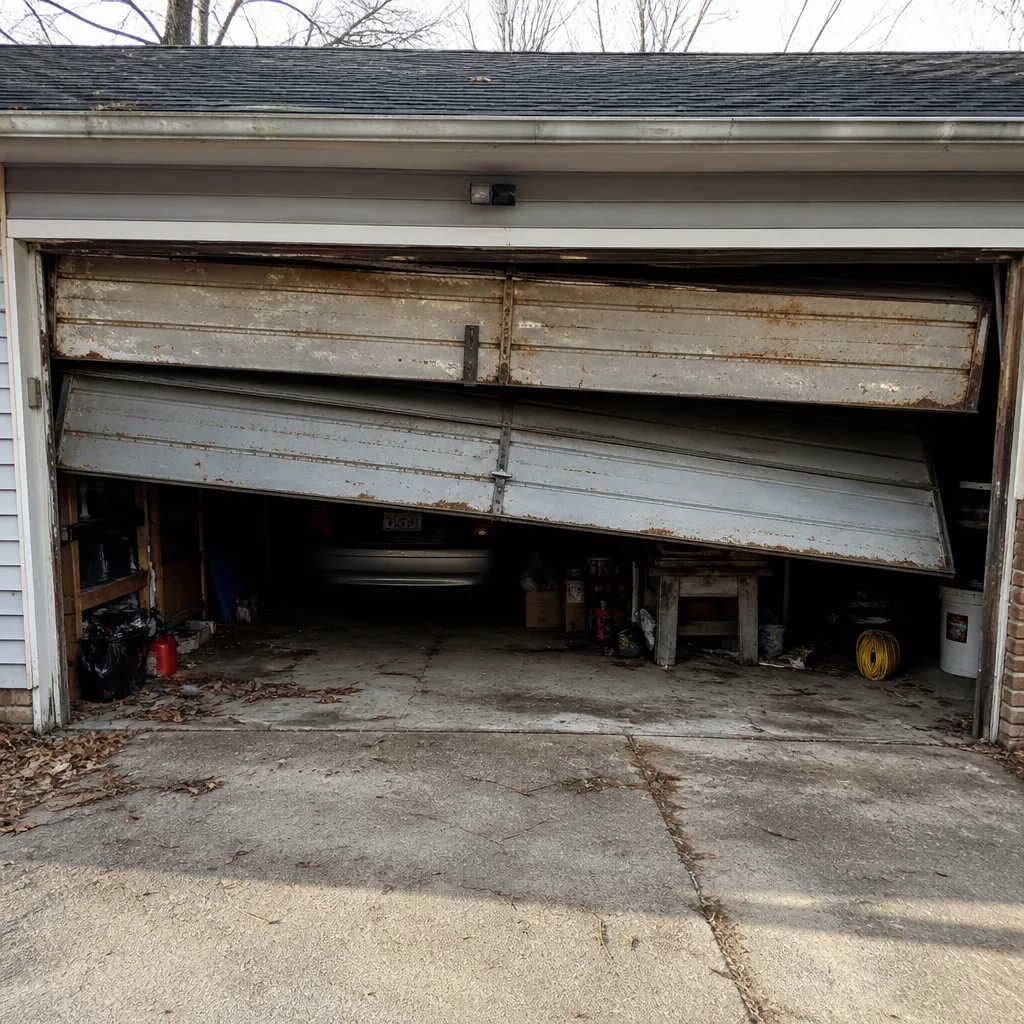 Before
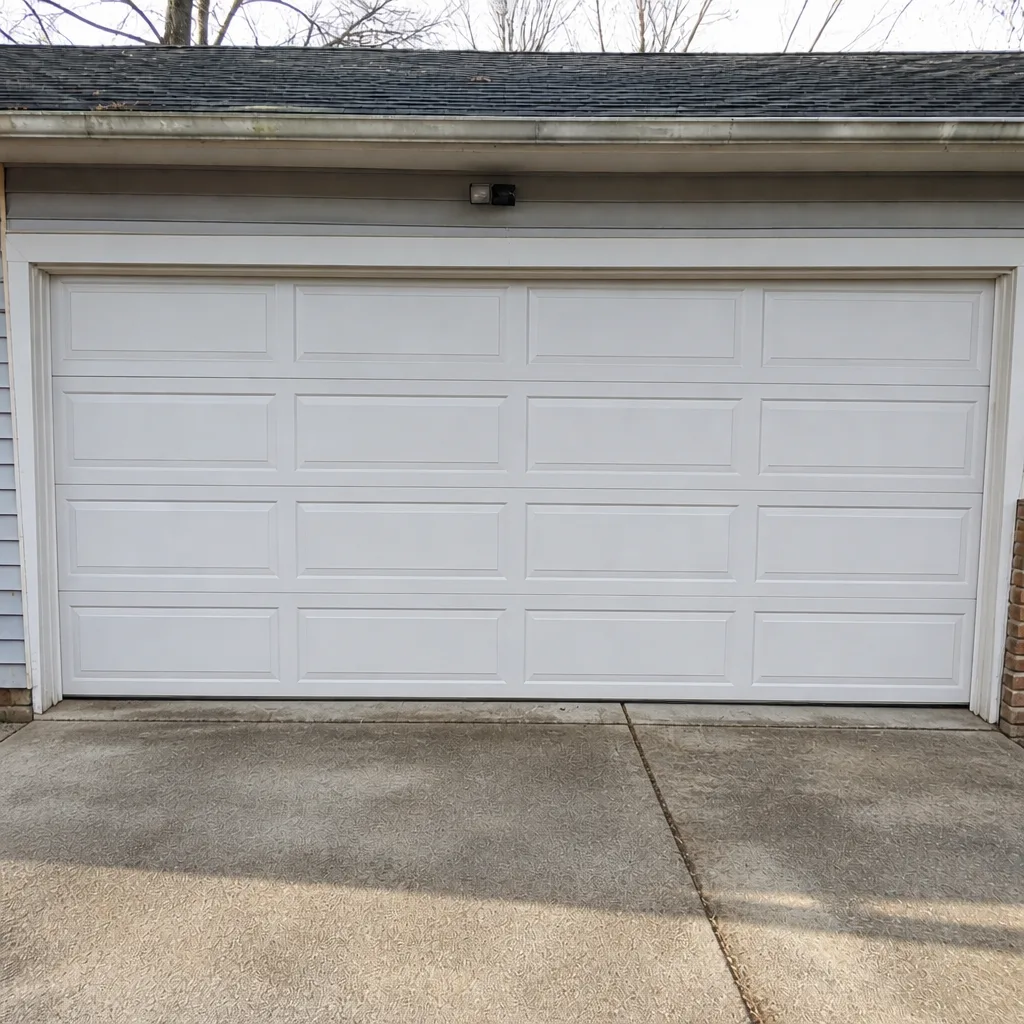 After
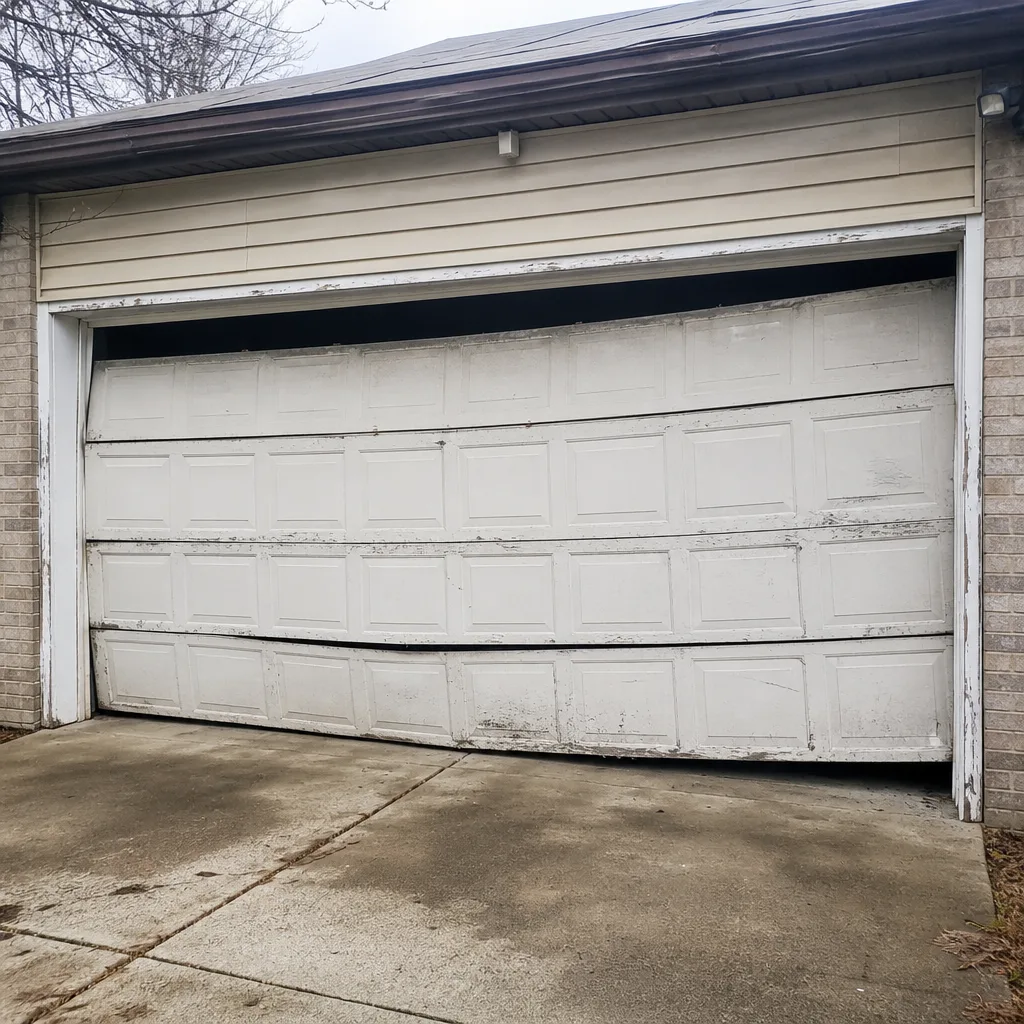 Before
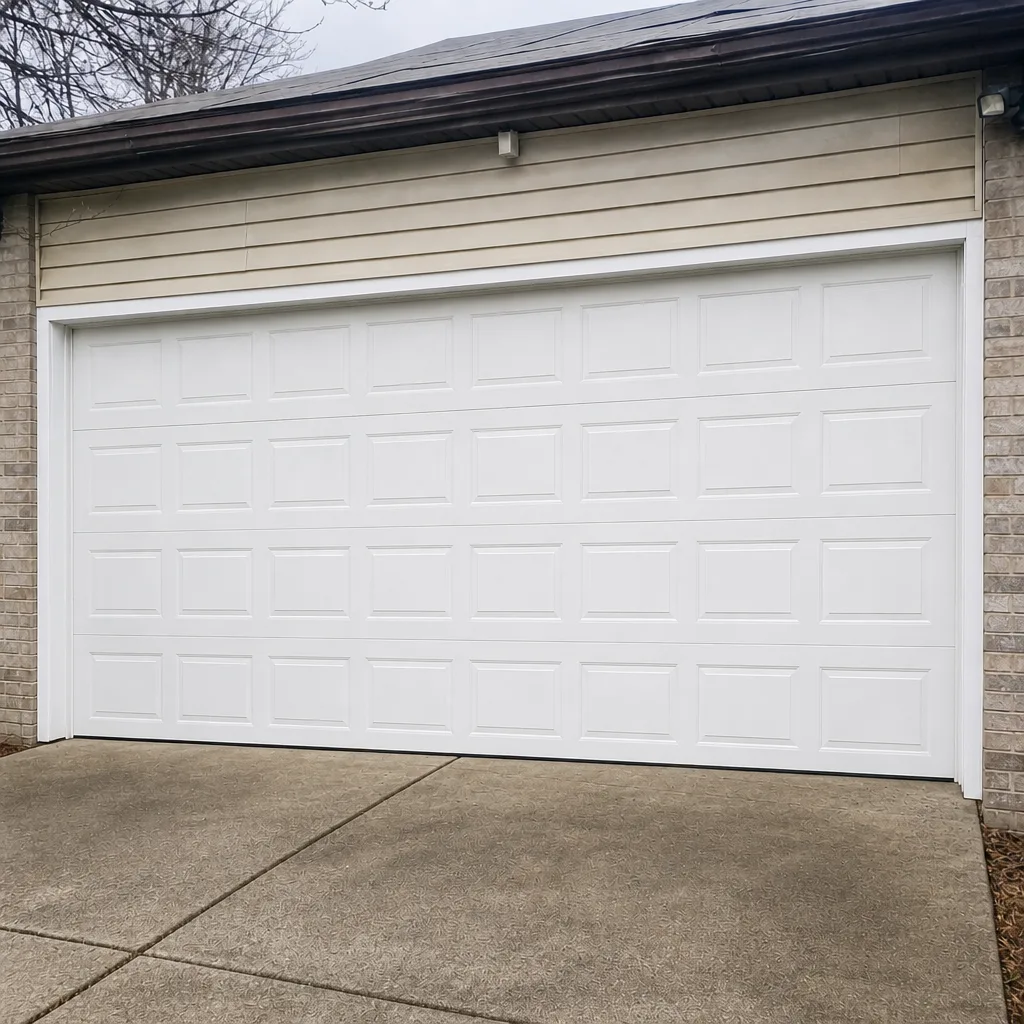 After
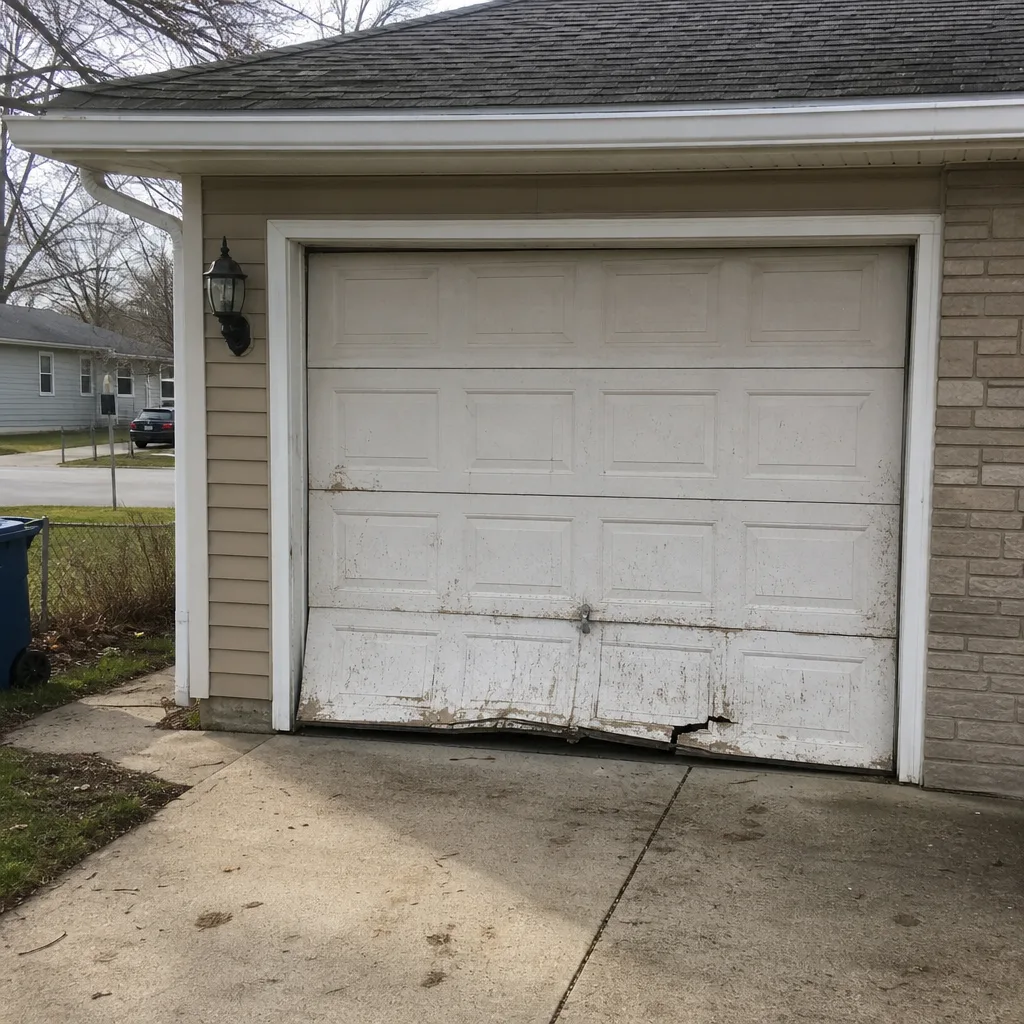 Before
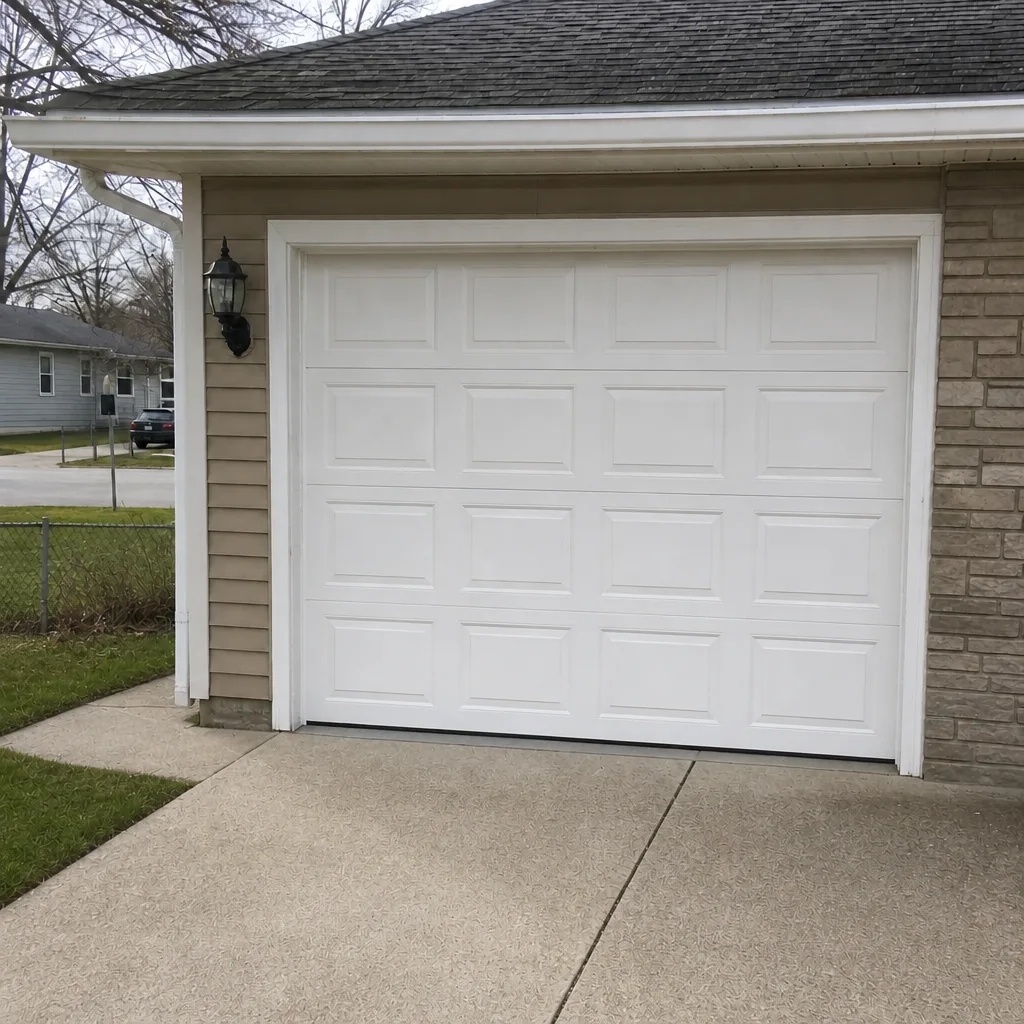 After
When to Call a Professional
Call a technician when the decision involves more than paint and color. A branded door that needs a matched replacement panel, an opener that isn’t compatible with the door you want, an HOA profile that doesn’t appear on the standard-door list, or a torsion spring that fails are all cases where an on-site diagnosis beats a spec sheet. Spring tension and the cables holding it under load are genuinely dangerous. High-tension torsion springs, cables under load, and the bottom bracket are the parts of a garage door most likely to cause injury; leave them to a trained technician. For an urgent failure, our emergency service is available to keep your garage secure and your car out. Carmel Garage Door Repair Co offers free estimates in Carmel – call (855) 904-1455.
Frequently Asked Questions
There’s no single best brand; there’s a best fit for your HOA, your opener, and what’s locally stocked. In most of Carmel, Clopay, Amarr, and Wayne Dalton are the most common and the most practical starting points, because replacement panels for those series are more likely to be carried in the Indianapolis metro. Call (855) 904-1455 for a free estimate – we’ll walk you through which series fits your garage.
A standard white or almond panel in a common width is often in the metro and can move quickly; color-matched or custom-profile panels are a factory order and take longer. Ask about lead time before you commit to a series, especially if your HOA requires a specific color. Call (855) 904-1455 to check current lead times.
Yes, but mostly if it’s a side-mount system like Wayne Dalton’s iDrive, which is designed around the door it’s mounted to. With a standard chain-drive or belt-drive opener from LiftMaster, Chamberlain, Genie, or Craftsman, any of the main door brands will open it fine. Confirm before you order the door. Call (855) 904-1455 for a free estimate.
Look at the fine print on panel rust-through, finish fading, and transferability, not the word “lifetime.” Clopay’s premium lines carry a generational rust-through commitment that’s among the strongest in the market. Amarr and Wayne Dalton compare reasonably on mid-tier lines but with narrower coverage on finish. Read the terms rather than assume. Call (855) 904-1455 for a free estimate.
Usually yes, if you choose a series that offers the profile your HOA lists. Clopay’s carriage-house lines are the most broadly stocked for common Carmel profiles; Amarr and Wayne Dalton offer carriage profiles too. The rule is to get the HOA standard in writing first and match the profile before the color. Call (855) 904-1455 for help matching a series to your HOA spec.
No. If you can match the panel series and color, a single-section replacement is a repair, not a replacement. The exception is a discontinued series or a custom color where the factory order no longer makes sense economically. We work on the brand already in your garage, so the honest answer is usually the cheaper one. Call (855) 904-1455 for a free estimate.
The Bottom Line
Brand choice for a Carmel garage door is a practical decision before an aesthetic one. What actually matters is what’s stocked in the Indianapolis metro (Clopay and Wayne Dalton lead, Amarr close behind, with narrower color and profile availability), how the R-value was measured, whether the profile fits your HOA, and how the warranty reads on rust-through, fading, and transfer. The brand-aligned finish is easy to like. The unexamined warranty rarely is. Start with a free estimate, ask which series your garage is already set up for, and get the written price before any work starts. That’s the sequence that keeps a garage door out of trouble in every season.
For a free estimate in Carmel on any brand of door, opener, or spring, call (855) 904-1455. Carmel Garage Door Repair Co is Carmel Garage Door Repair Co – a full-spectrum garage door specialist that works on LiftMaster, Chamberlain, Genie, Clopay, Amarr, Wayne Dalton, Craftsman, and Raynor equipment.
Written by the team at Carmel Garage Door Repair Co.