Last updated November 21, 2026
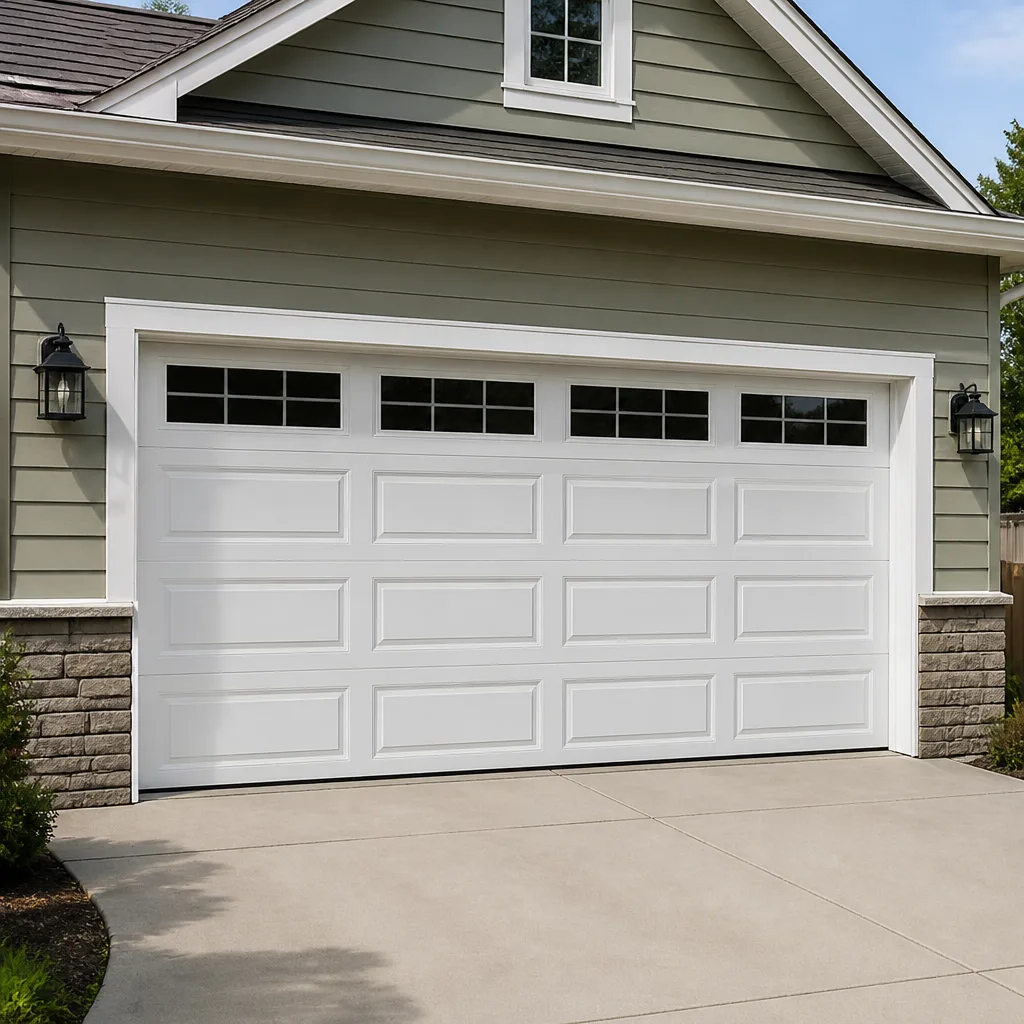 Raised-panel steel
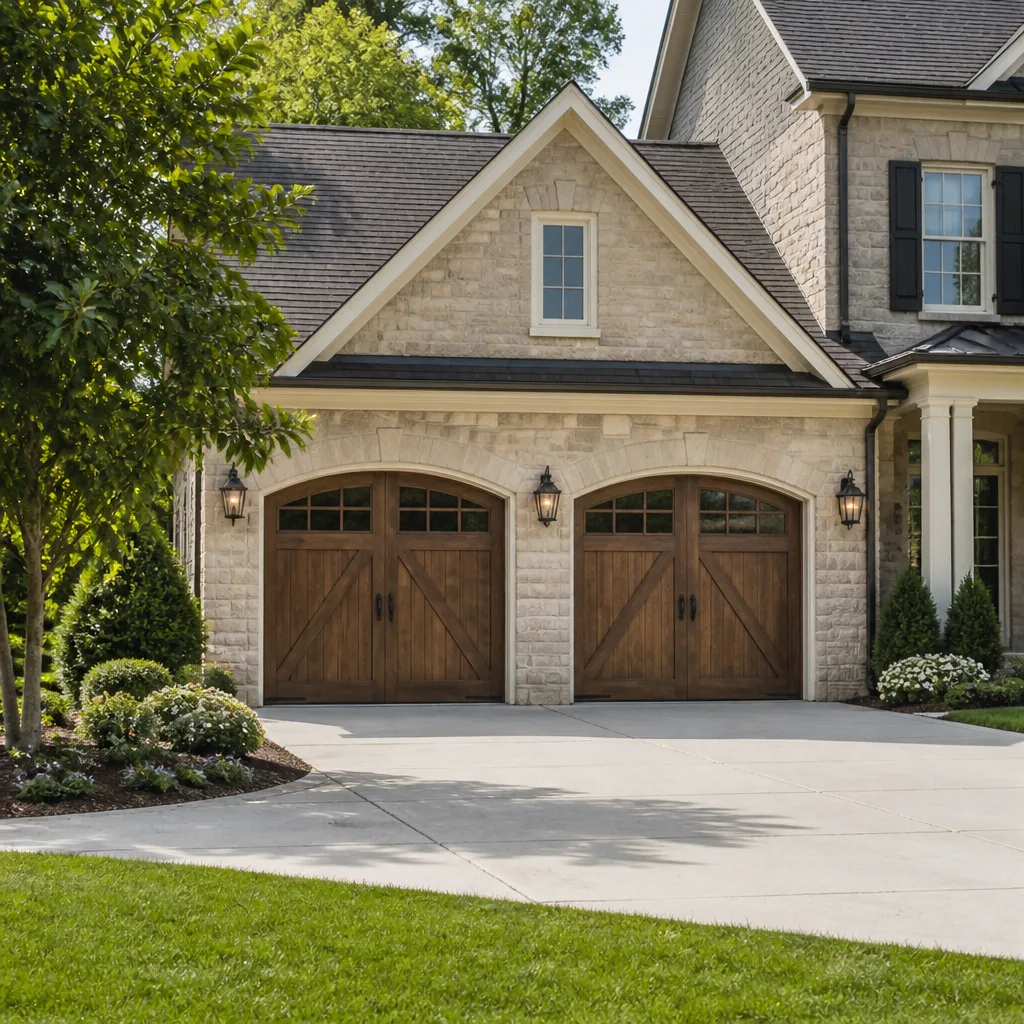 Carriage house
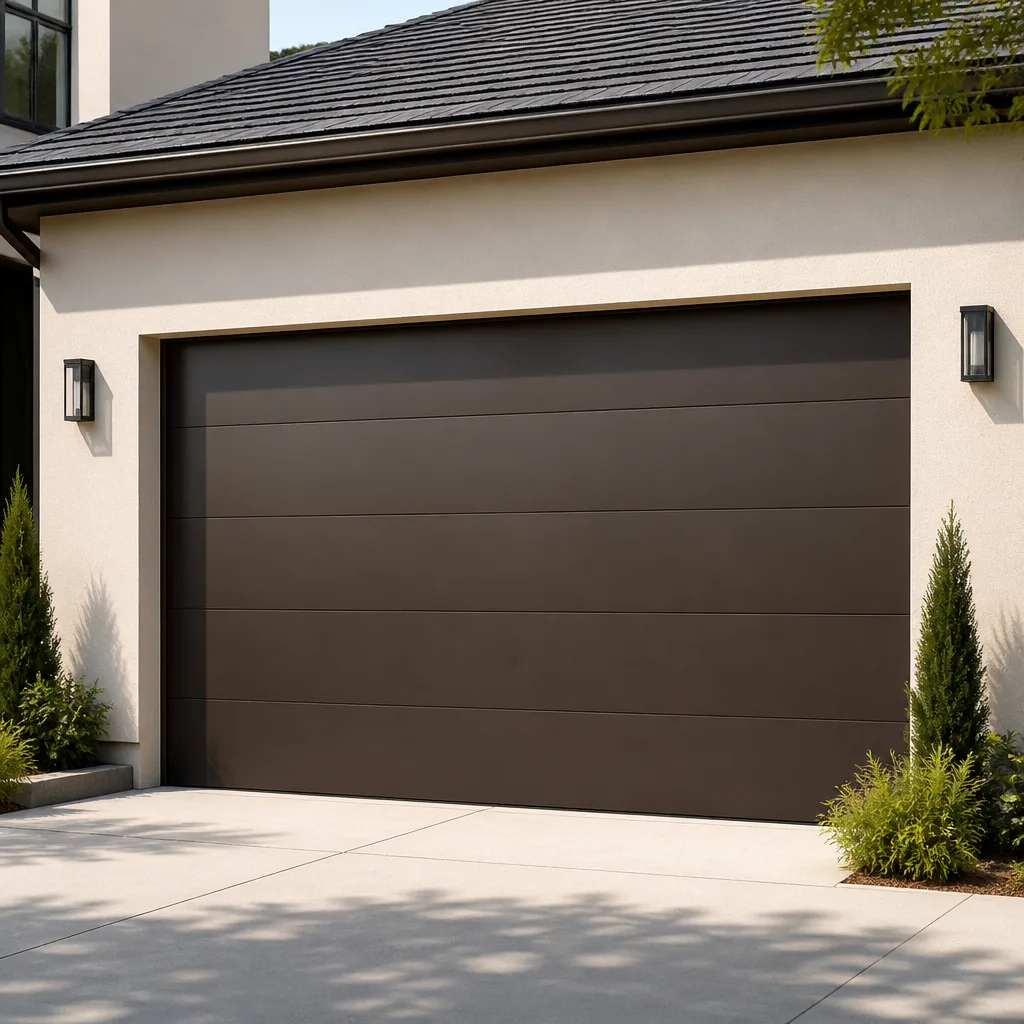 Modern flush
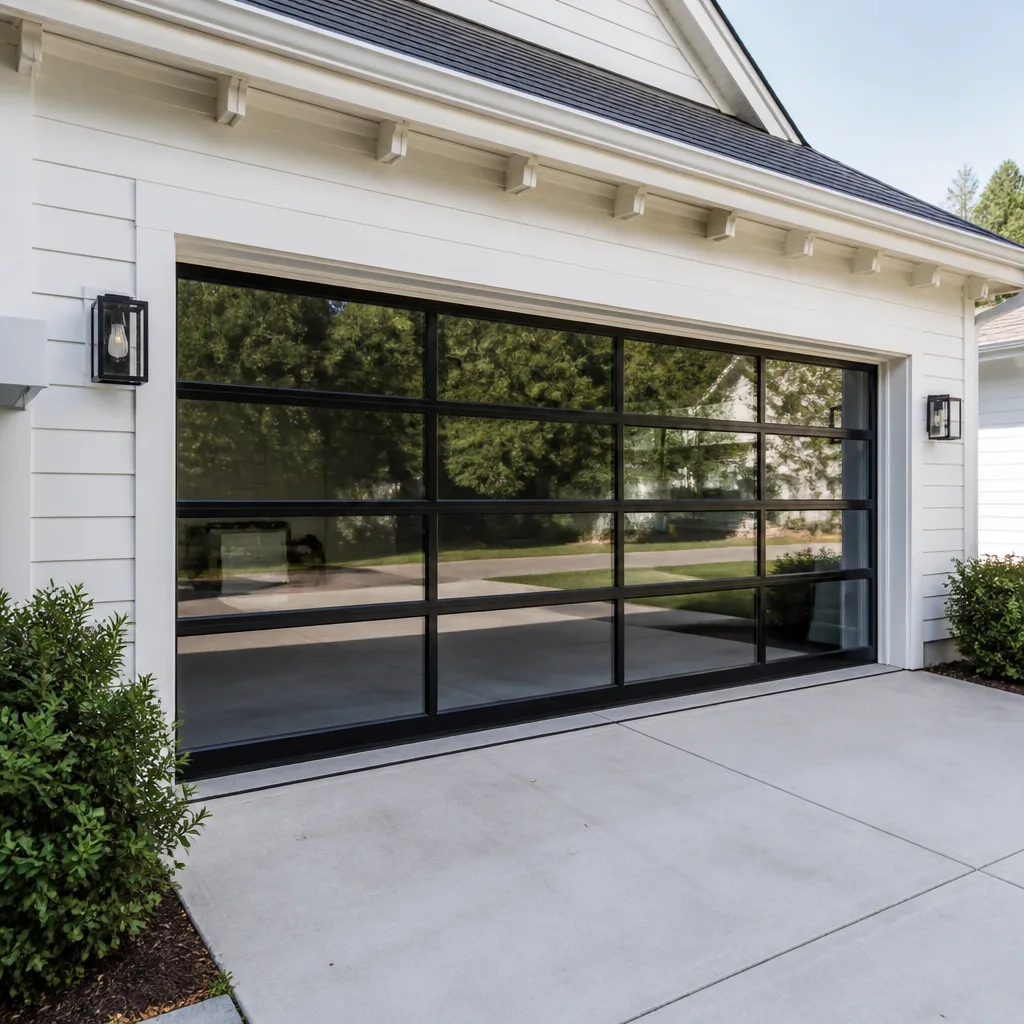 Full-view glass
 LiftMaster openers
 Chamberlain openers
Full 25-point door and opener safety check with every visit - springs, cables, rollers, tracks, and your LiftMaster or Chamberlain opener included
You get a price before we start. It does not change when the pro arrives.
Get your free estimateGarage Door Permits, Codes & Inspections in Carmel, IN: What You Need to Know
Most Carmel homeowners assume a garage door project always needs a permit, or that it never does. Both guesses are wrong, and the wrong guess costs money either way. Swap a door panel-for-panel on an existing frame and the City of Carmel generally doesn’t require a building permit. But let the same job add a new 240V outlet for an opener, or reframe the opening, and the permit picture changes fast. This guide maps exactly when a permit is required in Carmel, when it isn’t, what the inspection actually checks, and how unpermitted structural work surfaces at resale.
Quick Answer
A straight like-for-like garage door replacement on an existing frame normally does not require a City of Carmel building permit, but structural changes (new opening, header modification, wall removal) do, and any new electrical circuit for an opener triggers a separate electrical permit. Always confirm the current rule with Carmel’s building department before work starts, because the trigger is the structural and electrical scope, not the door itself.
Styles & brands we work with
- Raised-panel steel
- Carriage house
- Modern flush
- Full-view glass
- LiftMaster openers
- Chamberlain openers
Table of Contents
- When a Carmel Permit Is Required and When It Isn’t
- How Indiana’s Residential Code Shapes Garage Door Work
- Fire-Rated Doors Between an Attached Garage and Living Space
- What a Carmel Building Inspection Actually Checks
- HOA Architectural Approval vs Municipal Permit
- Resale: How Unpermitted Work Shows Up
- The Step-by-Step Permit Process in Carmel
- Opener Electrical Work: The Hidden Permit Trigger
When a Carmel Permit Is Required and When It Isn’t
The permit question comes down to one idea: is the work structural or electrical, or is it a like-for-like part replacement? A door swap that keeps the existing opening, header, and frame is treated as maintenance or a finish upgrade in most central Indiana jurisdictions, which means no building permit. A project that alters the structure or creates a new circuit is a different animal.
Here is how the thresholds typically break down for garage door work in Carmel:
- Like-for-like replacement (no permit): removing one door and installing a same-size door on the existing tracks and header, with the opener reusing the existing outlet. Nothing structural or electrical changes.
- New opening creation (permit required): cutting a new garage door opening into a wall, or converting a window bay to a door opening. This touches the load path and framing, so it needs a building permit and inspection.
- Header modification (permit required): widening or raising the opening, replacing a sagging header, or changing the structural beam above the door. The header carries load from the wall above, so a change to it is a structural change.
- New electrical circuit for an opener (separate electrical permit): adding a dedicated 240V or new branch circuit, or running a new outlet where none existed. This is the trigger most homeowners never anticipate.
- Fire-rated door upgrade between garage and house (permit in most cases): swapping or modifying a door in the wall separating an attached garage from living space usually pulls in code and inspection.
If you’re unsure which bucket your project lands in, the safest move is a two-minute call to the City of Carmel building department to confirm the current rule. Those thresholds are set locally and can tighten, so it pays to check before a contractor orders materials. We’ve walked Carmel homeowners through this exact conversation many times, and the answer almost always turns on the structural and electrical scope, not the door material.
How Indiana’s Residential Code Shapes Garage Door Work
Indiana adopts a statewide residential code based on the International Residential Code (IRC), and Hamilton County jurisdictions including Carmel apply it to residential construction and alterations. That matters because the code governs more than the door itself: it also sets requirements for the wall and door assembly separating an attached garage from living space, the anchoring of the door and track system, and the safety devices on an automatic opener.
In practical terms, here’s what the IRC adoption means for a Carmel garage door job:
- The wall and door between an attached garage and the house are treated as a separation assembly, with requirements for fire resistance and self-closing or self-latching operation on the door between the two spaces.
- Anchoring and attachment of the door, tracks, and operator to the framing must follow the manufacturer’s installation instructions, which the code adopts by reference.
- Automatic garage door operators must have an approved safety reversal system and, in most cases, photo-eye protection. This is a code item, not just a convenience feature.
Remodelers get tripped up here most often. A contractor used to working on interior doors may not realize the garage-to-house door is a rated assembly in Indiana, so a straightforward-looking upgrade can fail inspection if the wrong door type is installed. Ask your contractor to confirm the door rating and closing hardware before the job, because correcting it later means pulling the door back out. If you want the door itself to be handled to code, our garage door installation team works on the major brands in this market and can talk through the correct assembly before anything is ordered.
Fire-Rated Doors Between an Attached Garage and Living Space
If your garage is attached to your house, the door that connects them is not a normal interior door. Under the state residential code as applied in Hamilton County, that door is part of a separation assembly meant to slow a fire’s spread from the garage into living space. Most attached garages in Carmel are on the house, and that one detail catches a lot of remodel work by surprise.
The common failure points we see and hear about:
- A standard hollow-core door installed where a rated door belongs. The door between an attached garage and the house is expected to meet a fire rating, not just look right.
- The door doesn’t self-close or self-latch. Swinging fire doors in this location typically need self-closing hardware so the door can’t be propped open. A plain knob with no closer fails this.
- Gaps too large around the door. The perimeter and the gap under the door need to be within limits, which is why a proper threshold and weatherstripping matter.
- Missing or damaged fire separation. Drywall and framing on the garage side may also need to be intact, and a remodel that removes or thins that separation can put the whole assembly out of compliance.
None of this is meant to scare you off a garage upgrade. It’s meant to keep you from failing a final inspection on a detail a good contractor should catch upfront. If your project touches the door between the garage and the house, put the rating and the closing hardware in the conversation before the order goes out, and confirm the current requirement with Carmel’s building department.
What a Carmel Building Inspection Actually Checks
If your garage door project does require a permit, an inspection is part of the process, and knowing what the inspector looks at helps you prepare. The inspection isn’t about door finish or brand. It’s about structure and safety.
What a Carmel building inspection typically covers on a new garage door installation or a structural change:
- Header and load path. For a new or modified opening, the inspector checks that the header is the right size and is correctly supported, so the wall load above the opening transfers properly.
- Framing and attachment. Tracks and the door’s structural anchors must be fixed to framing that can carry the load, matching the manufacturer’s instructions.
- Fire door rating compliance. If the project touches the wall and door separating the garage from living space, the inspector checks that the rated assembly is intact and installed correctly.
- Opener safety reversal. The inspector tests the safety reversal system, which means photo eyes, or a control closing the door on contact in older installations.
- Electrical connections. If the opener runs on new wiring, that work has to be completed and permitted separately, and the inspector verifies it before the door is signed off.
A failed inspection usually traces to one of two things: a door that doesn’t reverse on command, or an assembly that wasn’t built to the rating shown on the plan. Both are straightforward to avoid if the installer tests the reversal and double-checks the assembly before the inspector’s visit. We always test the safety reversal before we call a job done, because a door that fails on inspection is a door that needs a second visit.
HOA Architectural Approval vs Municipal Permit
Here’s the part that trips up more Carmel homeowners than the permit itself: HOA approval and a municipal permit are two completely separate processes, and a lot of people think finishing one covers the other. It doesn’t. The city doesn’t care what your HOA thinks, and the HOA doesn’t care what the city approves.
Here’s how the two processes compare:
- Authority: The City of Carmel governs code compliance and issues building and electrical permits. Your HOA or architectural review committee governs appearance and community standards.
- What each cares about: The city cares about structure, load path, safety devices, and fire separation. The HOA cares about door style, color, material, window configuration, and how it looks from the street.
- Timeline: In most Carmel communities, HOA architectural review takes longer than the city permit process. Committee meetings can add weeks, so homeowners who leave HOA approval until after the door arrives end up with a delivered door sitting in the garage.
- Approval sequence: The safe order is architectural approval first, permit second (if structural or electrical), then order and install.
If your project is a pure like-for-like swap in a community with a design standard, you still want the HOA sign-off before you order. Our team works with the brands most common in this area, and if the HOA-approved style reads as a Clopay or Amarr door, that’s already covered. What we can’t do for you is get the HOA approval faster. Start that process early. If the door is going to be delivered from out of state, plan on the HOA review getting done before that shipment ships.
Resale: How Unpermitted Work Shows Up
A permit small enough to skip on a Saturday morning can become a problem at resale. When you sell in Carmel, buyers’ agents and home inspectors look for signs of unpermitted structural work in the garage, and a modified header or new opening without documentation is exactly what they’re trained to flag.
Where unpermitted garage door work tends to surface during a sale:
- Home inspection findings. A structural modification without a permit record shows up as a note, and the buyer’s agent then asks for documentation you may not have.
- Appraisal and disclosure. Anything a buyer discovers later that wasn’t disclosed can slow the deal or force a price adjustment.
- Municipal records check. Some buyers check permit history directly. If a load-bearing change was done without one, it stands out.
- A sagging or misaligned door. Not every unpermitted install fails visibly, but a header that was modified without engineering support can show as a door that doesn’t track right or sags after a few seasons.
The good news is that a permit record solves this at the time of sale. If you had structural work done and you’re not sure a permit was pulled, check with the City of Carmel building department. In many cases a permit can be pulled after the fact, though the process and the inspection it triggers are the reason most people wish they’d done it up front.
The Step-by-Step Permit Process in Carmel
If your project does require a permit, the process is straightforward when it’s followed in order. The most common cause of a delay is starting an install before the permit or HOA approval is in hand.
- Confirm the threshold with the city. Call the City of Carmel building department with your scope (like-for-like swap, new opening, header change, or electrical) and confirm whether a permit is required and which type.
- Get HOA architectural approval if your community has one. Submit the approved style, color, material, and door configuration through your association’s review process. This usually sets the timeline, so it goes first.
- Submit the building permit application if required. The application needs a scope of work and, for structural work, drawings that show the opening and header. An electrical permit is submitted separately for any new circuit.
- Get the permit issued before work starts. A contractor working ahead of an issued permit is an inspection problem, not a shortcut.
- Schedule the inspection. The inspector looks at the header and load path, the door’s anchoring, the fire separation, and the opener safety reversal, and signs off the electrical separately.
- Keep the permit record. Save the final inspection sign-off with your home files. It’s the document a buyer’s agent will want at resale.
If the door replacement itself is a like-for-like swap and there’s no structural or electrical change, a lot of this conversation is short: no permit, no inspection, and the project moves straight to scheduling. Our garage door repair team handles a lot of panel-for-panel swaps in Carmel every season, and the scope check almost always answers the permit question before we order anything.
Opener Electrical Work: The Hidden Permit Trigger
This is the point in the guide where a small job can quietly become a permitted one. The door replacement doesn’t trigger a permit, but adding a new 240V or dedicated branch circuit for an opener as part of the same project does. That electrical permit is separate from any building permit, and homeowners routinely don’t know it exists until the invoice or the inspection shows up.
The distinction that matters:
- Reusing an existing outlet (no permit): the new opener plugs into the same circuit that fed the old unit. The wiring is already there and already approved.
- Adding a new circuit or a new outlet (electrical permit): any new wiring run to the opener location, a new dedicated circuit, or a relocated outlet needs a permit and inspection. This is the same for a LiftMaster, Chamberlain, or Craftsman opener, because the permit is about the wiring, not the brand.
- Upgrading to a wall-mount unit on a new circuit (electrical permit): a wall-mount or side-mount opener is a smart choice in a tight bay, but the electrical work to power it is still a permitted electrical change.
If your opener is failing and you’re not sure whether it needs a repair or a wiring change, start with garage door opener repair. A technician can tell you whether the problem is the unit, the safety sensors, or the circuit, and that answer is what determines whether a permit even enters the picture. Our technicians have up to 9 years of experience, leveling and testing openers across LiftMaster, Chamberlain, Genie, and Craftsman lines, so a diagnosis here doesn’t mean an upsell to a different system.
Common Mistakes to Avoid
- Assuming “no permit” covers the whole job. The door swap may not need one, but the new dedicated opener circuit probably does. Address the electrical scope separately.
- Skipping HOA approval because the city process is simpler. HOA review is the longer timeline in most Carmel communities. Starting it late is the number one cause of a delivered door sitting idle.
- Modifying a header without a permit and drawings. A header change is structural. Without documentation, it’s a resale flag and a possible failure point at inspection.
- Installing a standard interior door between the garage and the house. In an attached garage, that door is a rated assembly under the state residential code. A hollow-core swap fails that requirement.
- Never testing the opener’s safety reversal before inspection. A door that doesn’t reverse on command is one of the most common inspection failures, and it’s a five-minute test to catch it first.
- Leaving the final inspection record out of the home files. That sign-off is the document a buyer’s agent will look for at resale. Keep it with your home paperwork.
- Calling the city after the contractor arrives. Confirm the permit threshold, and confirm it early. A same-day answer on scope is easy; a same-day permit is not.
See the difference
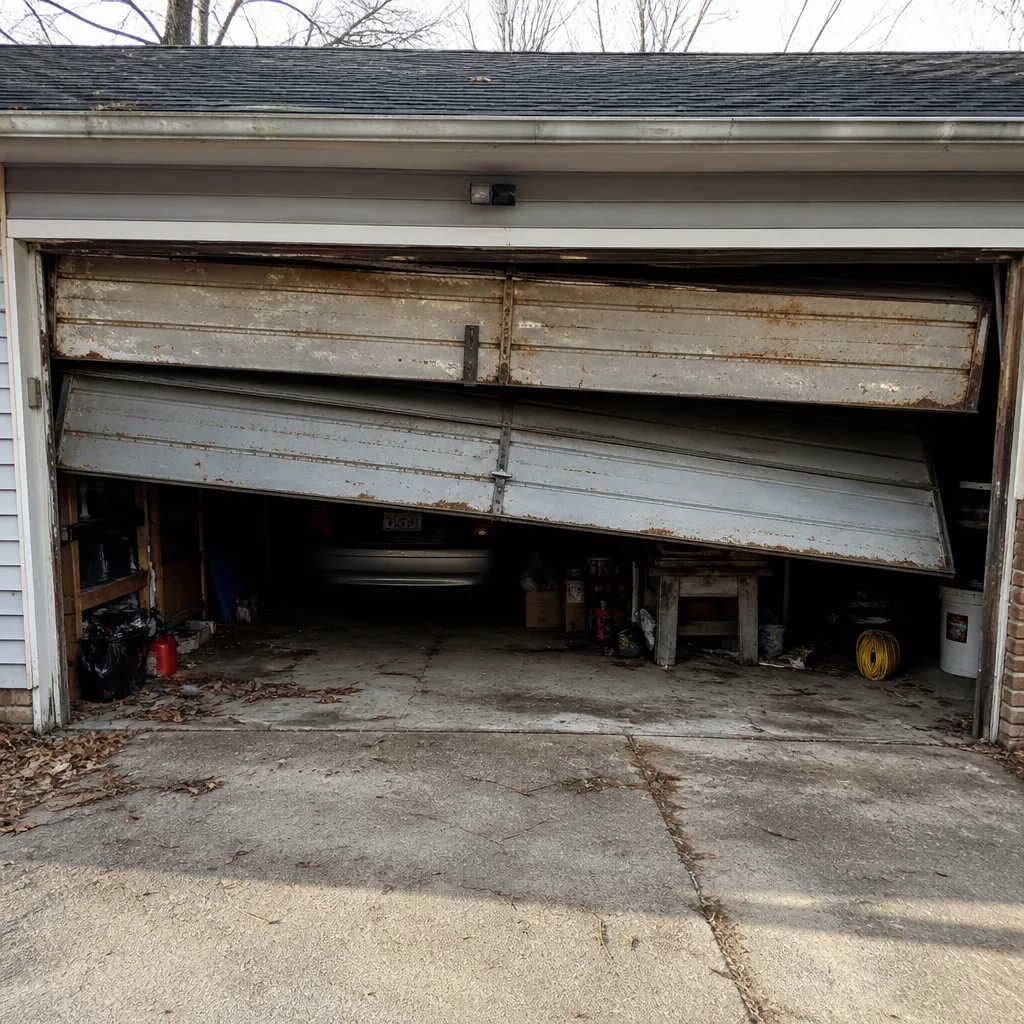 Before
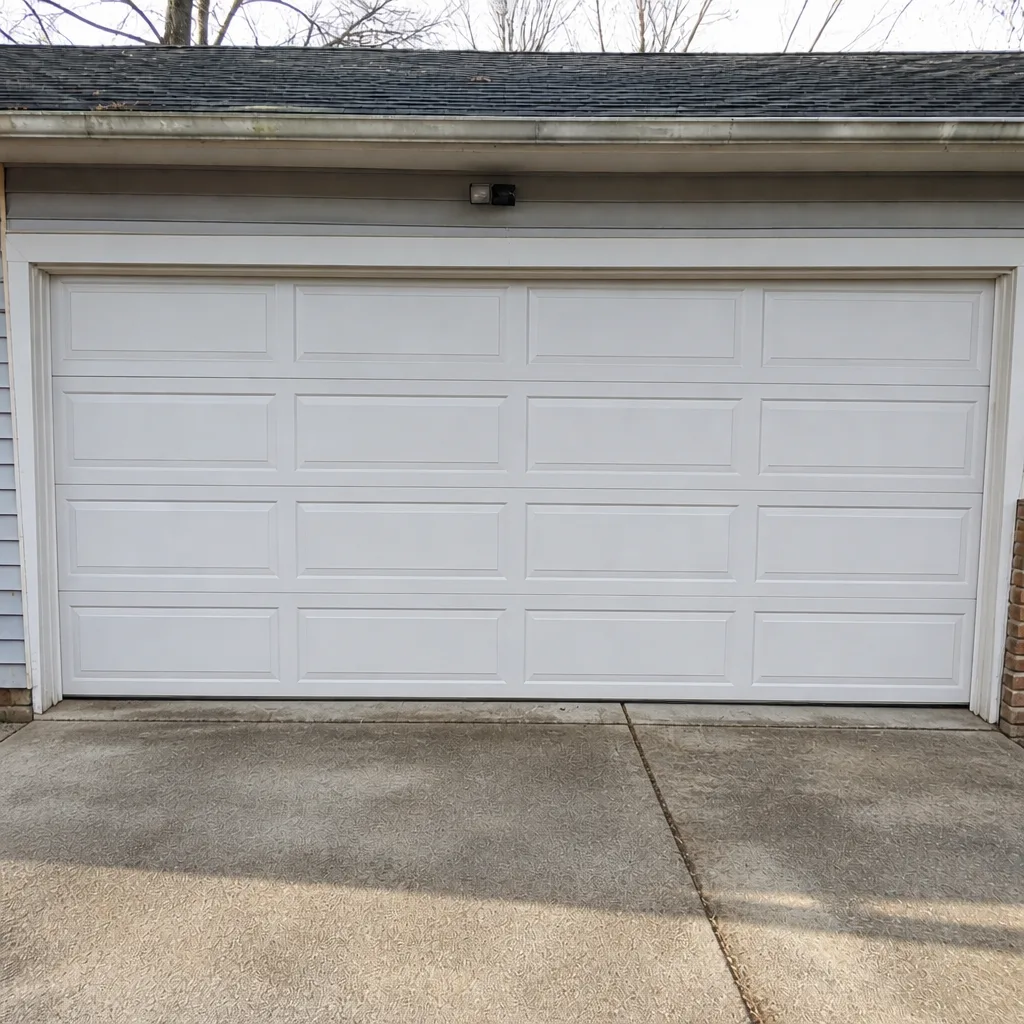 After
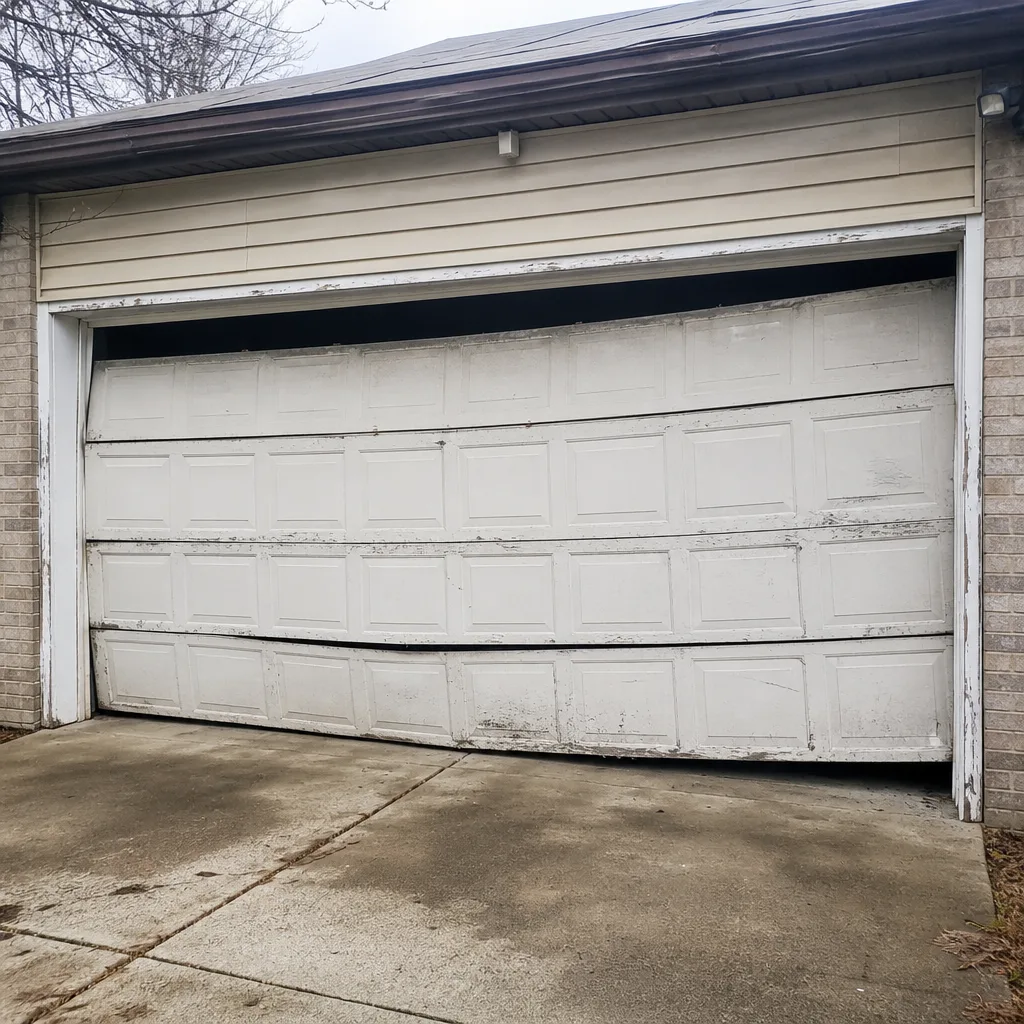 Before
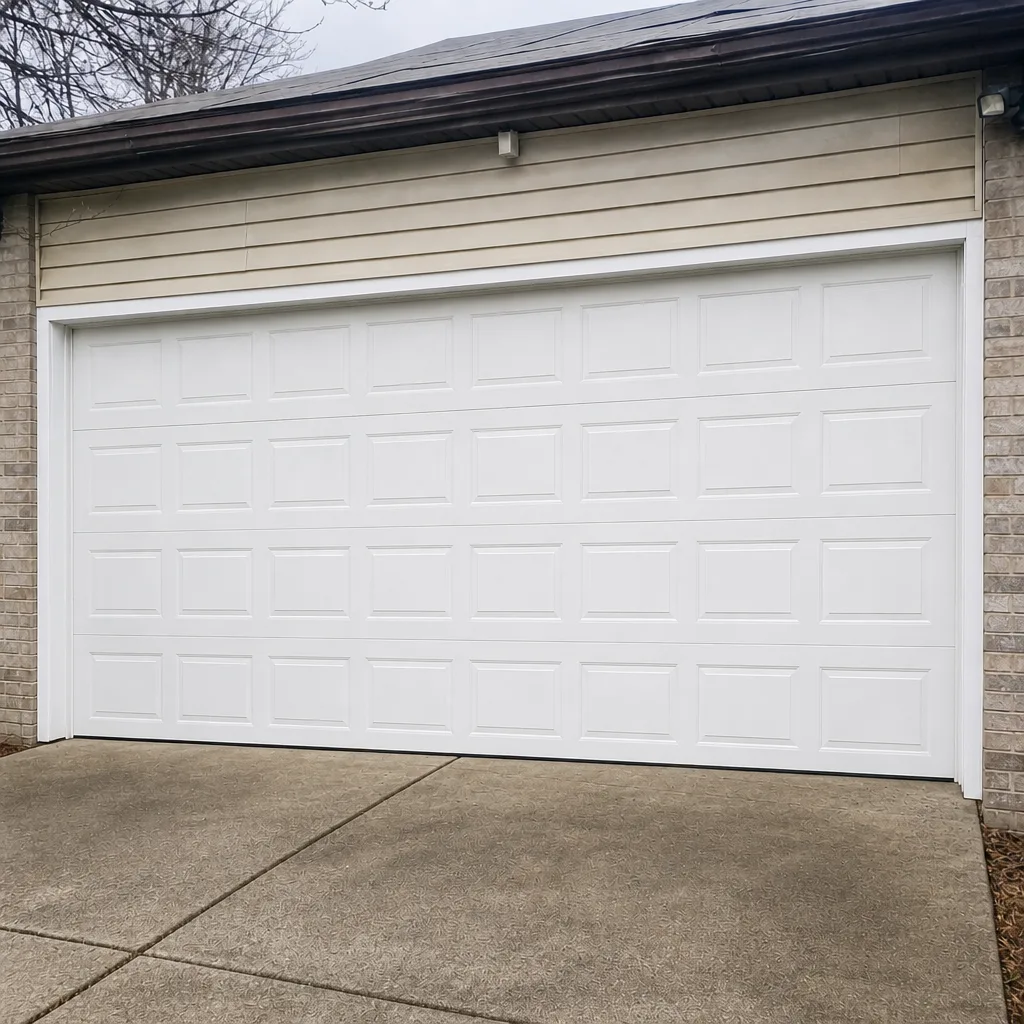 After
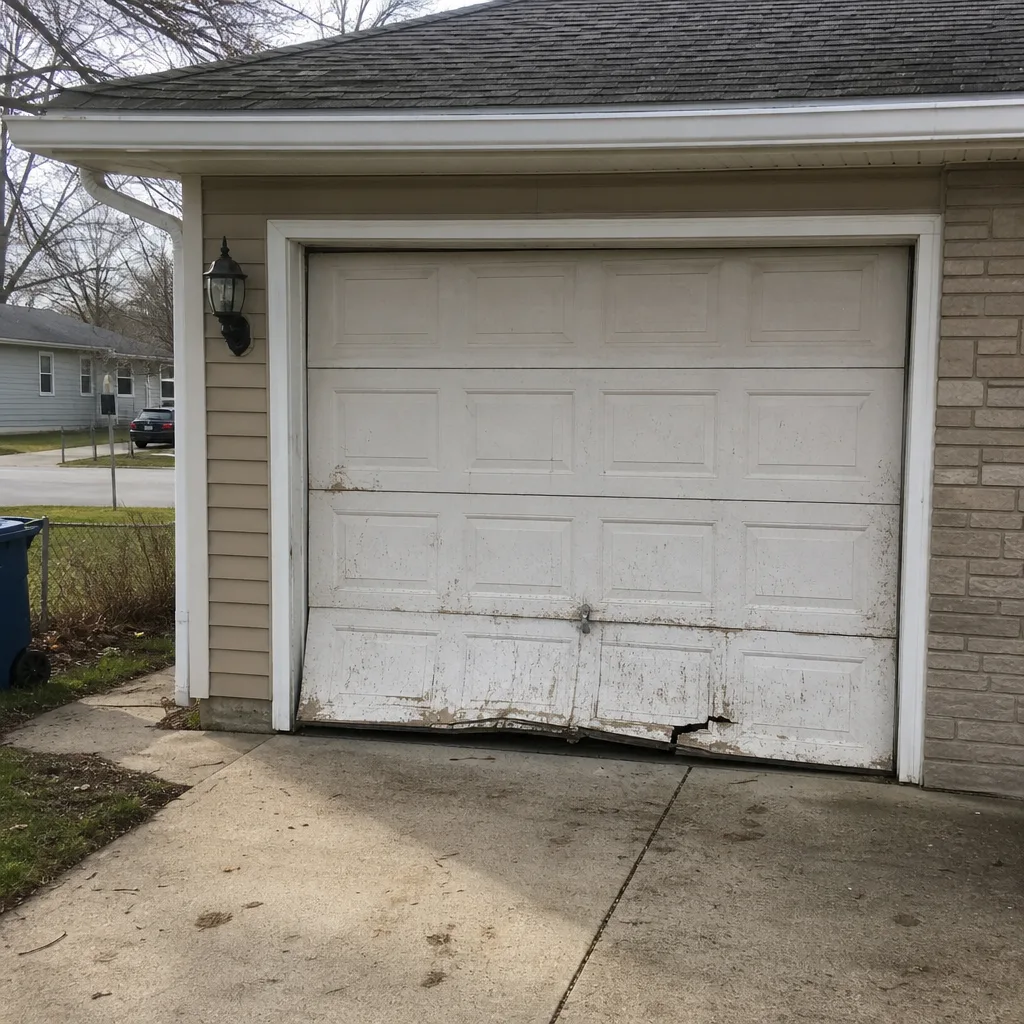 Before
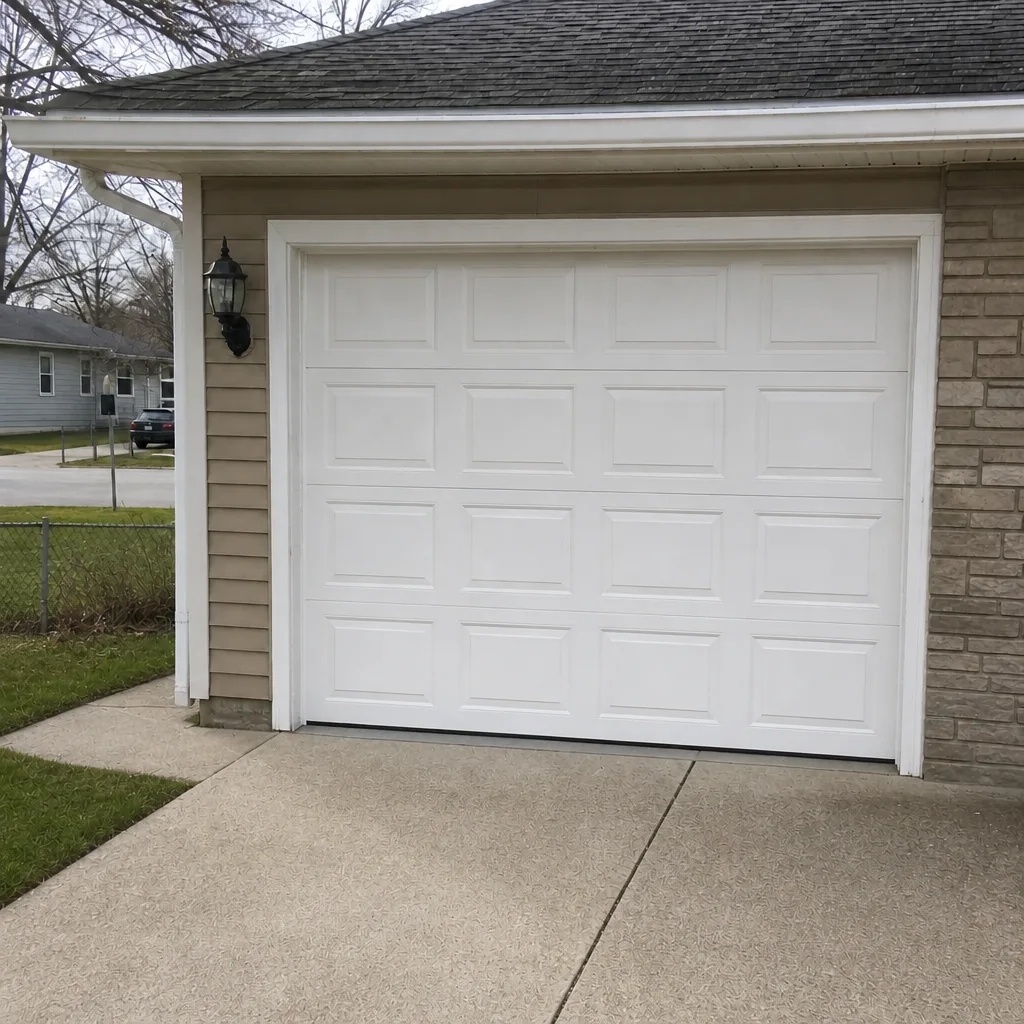 After
When to Call a Professional
The permit question is worth a pro even when the job doesn’t need one, because the scope is where mistakes hide. A door that’s tracking off, a header that looks modified, an opener that won’t reverse, a garage-to-house door that may not be rated correctly: these are all reasons to have a trained eye confirm what you’ve got before the next step. Spring work belongs in that list too. High-tension springs carry stored energy and can cause serious injury, so that’s not a homeowner job. Our technicians have up to 9 years of experience working on the major brands already in Carmel garages, including Craftsman and Raynor. We also handle emergency garage door service when a door won’t close and the house is open to the night. Carmel Garage Door Repair Co offers free estimates in Carmel, call (855) 904-1455.
Frequently Asked Questions
Usually not, if it’s a like-for-like replacement on the existing frame with no structural or electrical changes. A building permit is generally triggered by a new opening, a header modification, or new electrical work for an opener. Confirm with the City of Carmel building department before ordering. If you want a clear scope check, call (855) 904-1455 and we’ll talk it through; estimates are free.
Yes, if the opener is powered by a new circuit or a new outlet rather than the existing one. That’s a separate electrical permit and inspection from any building permit. A straight replacement that plugs into the old circuit doesn’t trigger it. If you’re not sure which you have, call (855) 904-1455; we can tell you what you’re looking at.
In most attached garages, the door between the garage and the living space is expected to meet a fire rating with self-closing or self-latching hardware under the state residential code as applied in Hamilton County. A standard hollow-core door usually doesn’t satisfy it. Confirm the current requirement with the city, and call (855) 904-1455 if you need the door assembly checked.
It checks the header and load path, the door’s anchoring and framing, the fire door rating where it applies, and the opener’s safety reversal and photo eyes. Electrical work is inspected separately. It does not evaluate finish or brand. Call (855) 904-1455 to schedule a free estimate before your project starts.
No. HOA architectural approval and the municipal permit are independent. The city permit doesn’t satisfy your HOA’s design standards, and the HOA approval doesn’t stand in for a permit. Most Carmel communities take longer on the HOA side, so start there. For a door style that’s already cleared by your association, call (855) 904-1455 for a free measure and a written price.
It can. Unpermitted structural work shows up in home inspections and can slow the deal, and buyers’ agents in the Carmel market are trained to flag a modified header without documentation. A permit record from the start is the fix. If you’re not sure whether a past job was permitted, check with the City of Carmel. Call (855) 904-1455 for a scope review; estimates are free.
The Bottom Line
The permit question for a Carmel garage door job comes down to scope, not the door. A like-for-like swap on the existing frame usually doesn’t need a building permit. A new opening, a header change, or a new electrical circuit for an opener does, and those triggers are where most homeowners get caught. Pair that with HOA approval, which is separate and usually slower, and the safe order is clear: scope first, HOA approval early, permit before work starts, and keep the final inspection record for resale. If you’d rather have a trained eye confirm the scope, call (855) 904-1455. Carmel Garage Door Repair Co offers free estimates in Carmel and handles the work the permit conversation is about.
From opener glitch to Carmel Garage Door Repair Co handling the full install, we work on the brand already in your garage, and the price is quoted and agreed before any work starts.
Written by the team at Carmel Garage Door Repair Co.