Last updated November 21, 2026
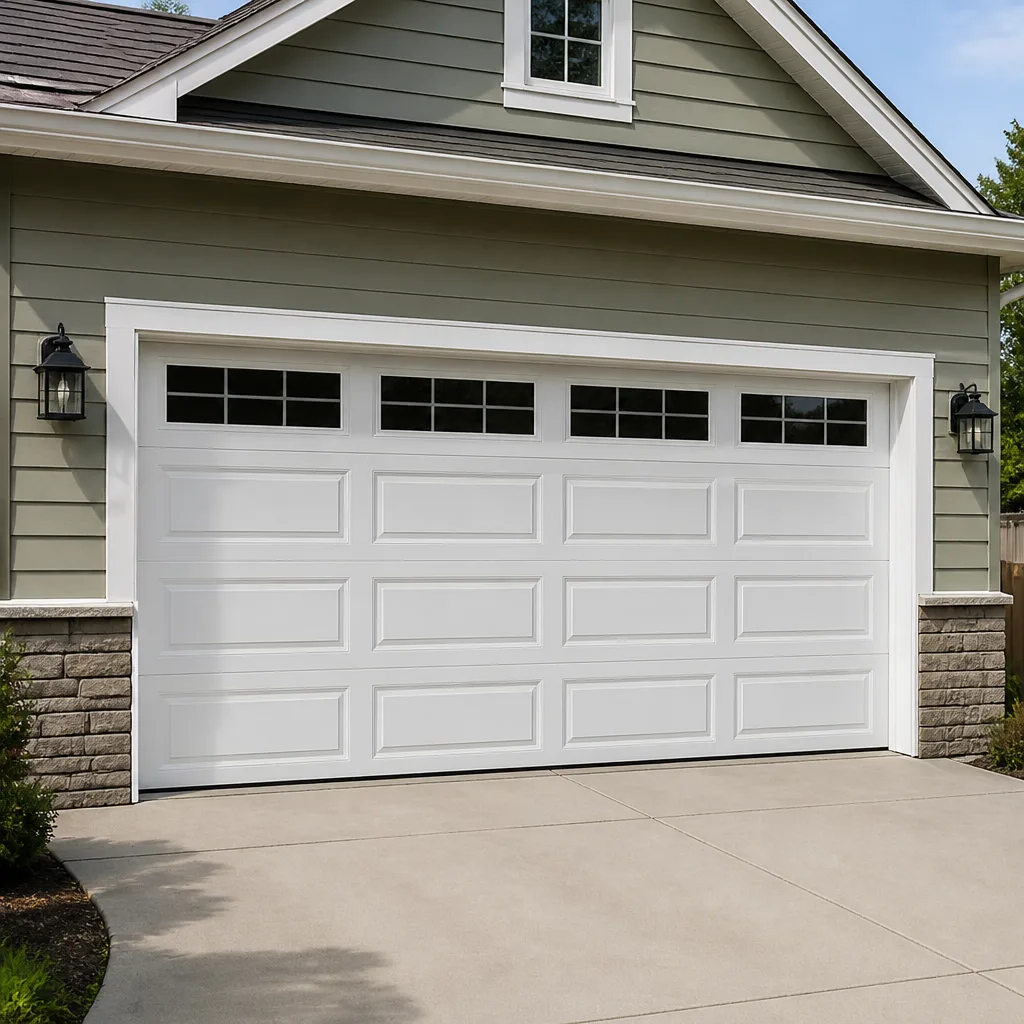 Raised-panel steel
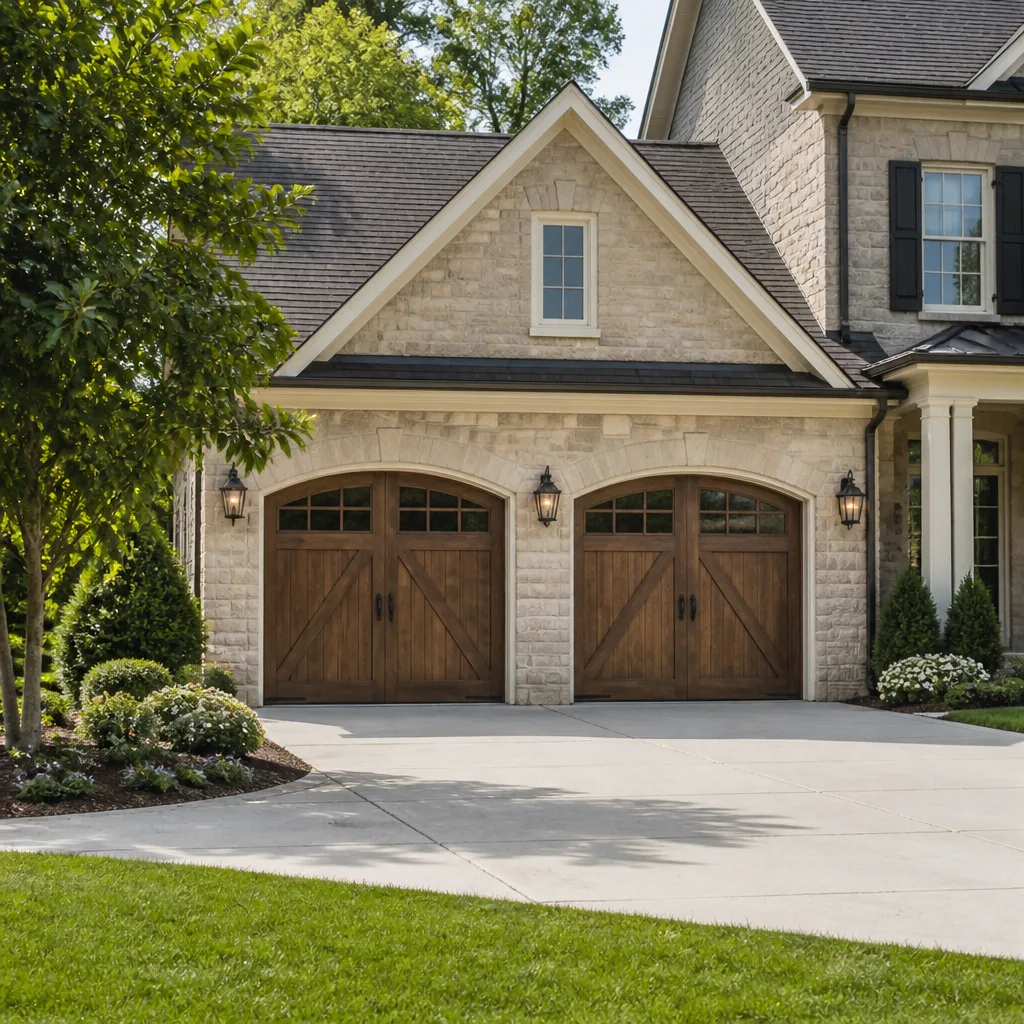 Carriage house
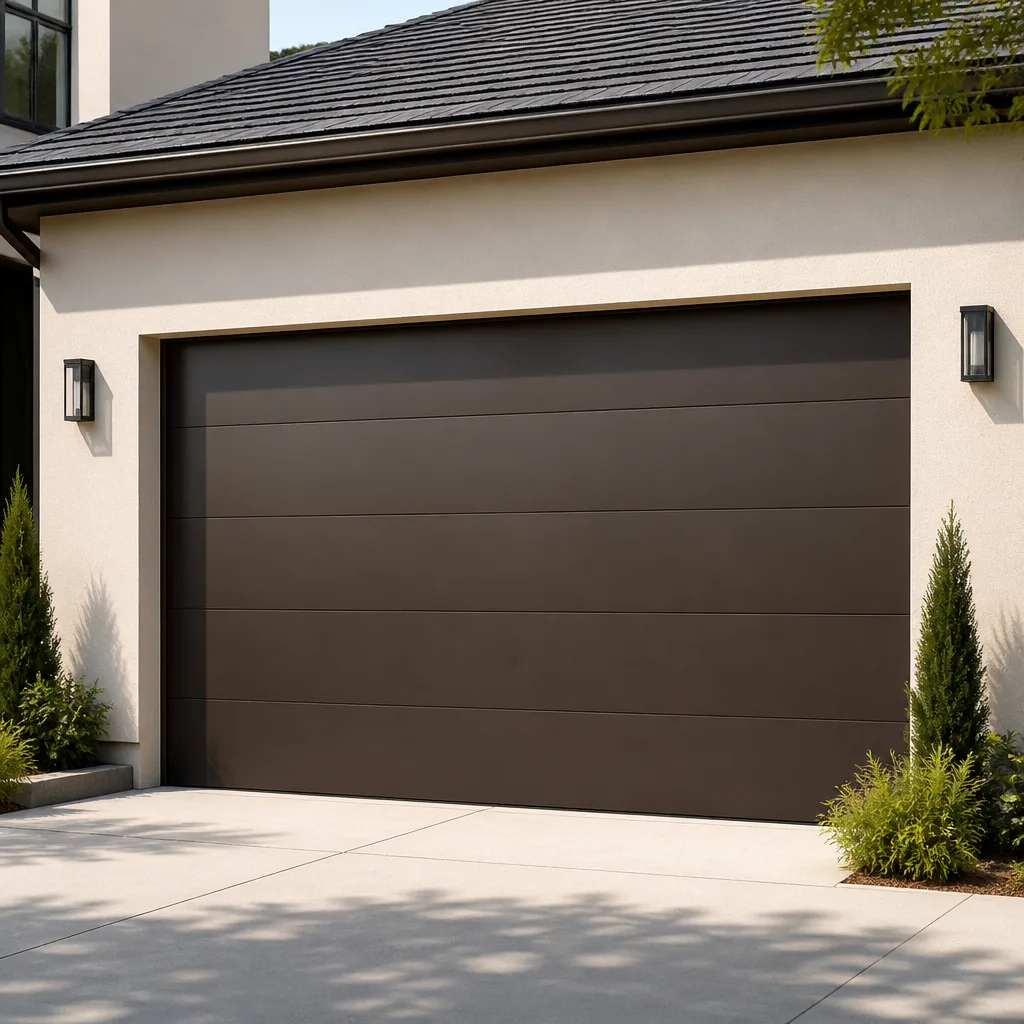 Modern flush
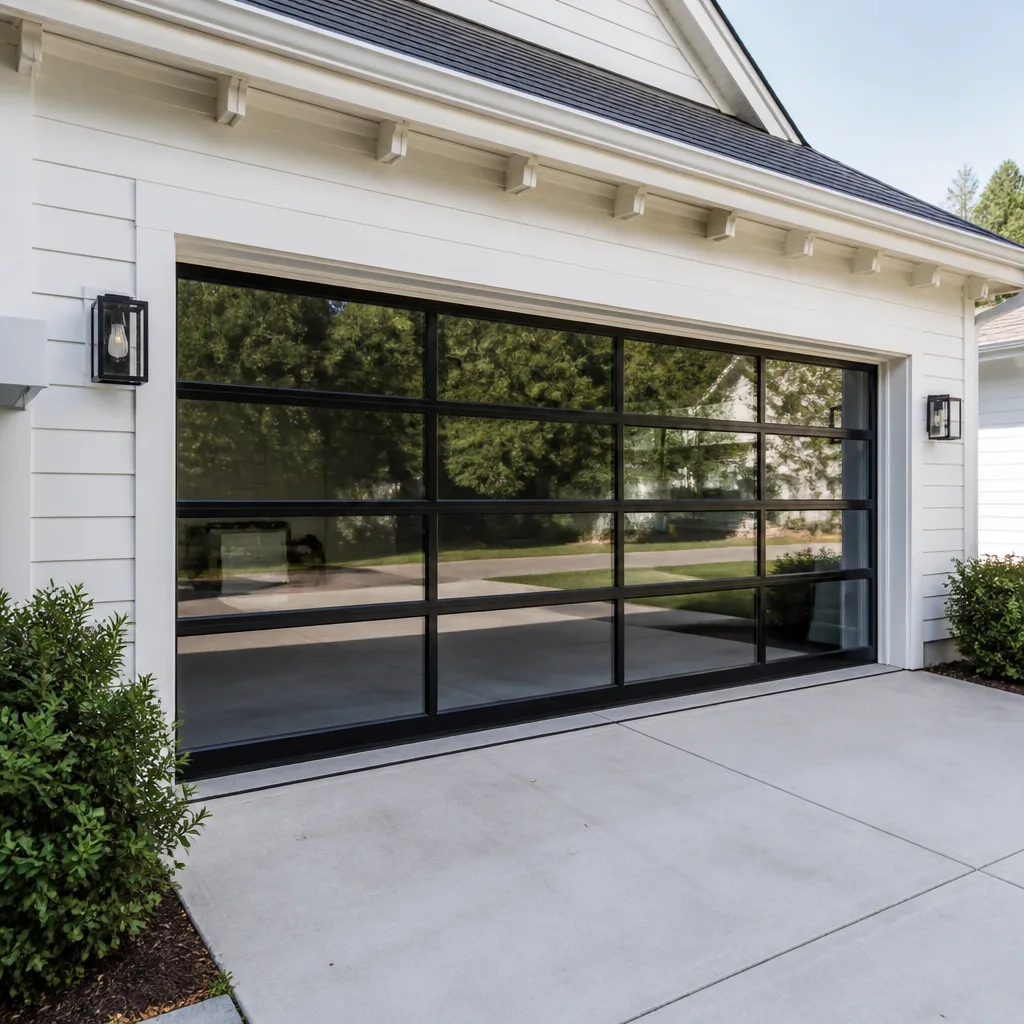 Full-view glass
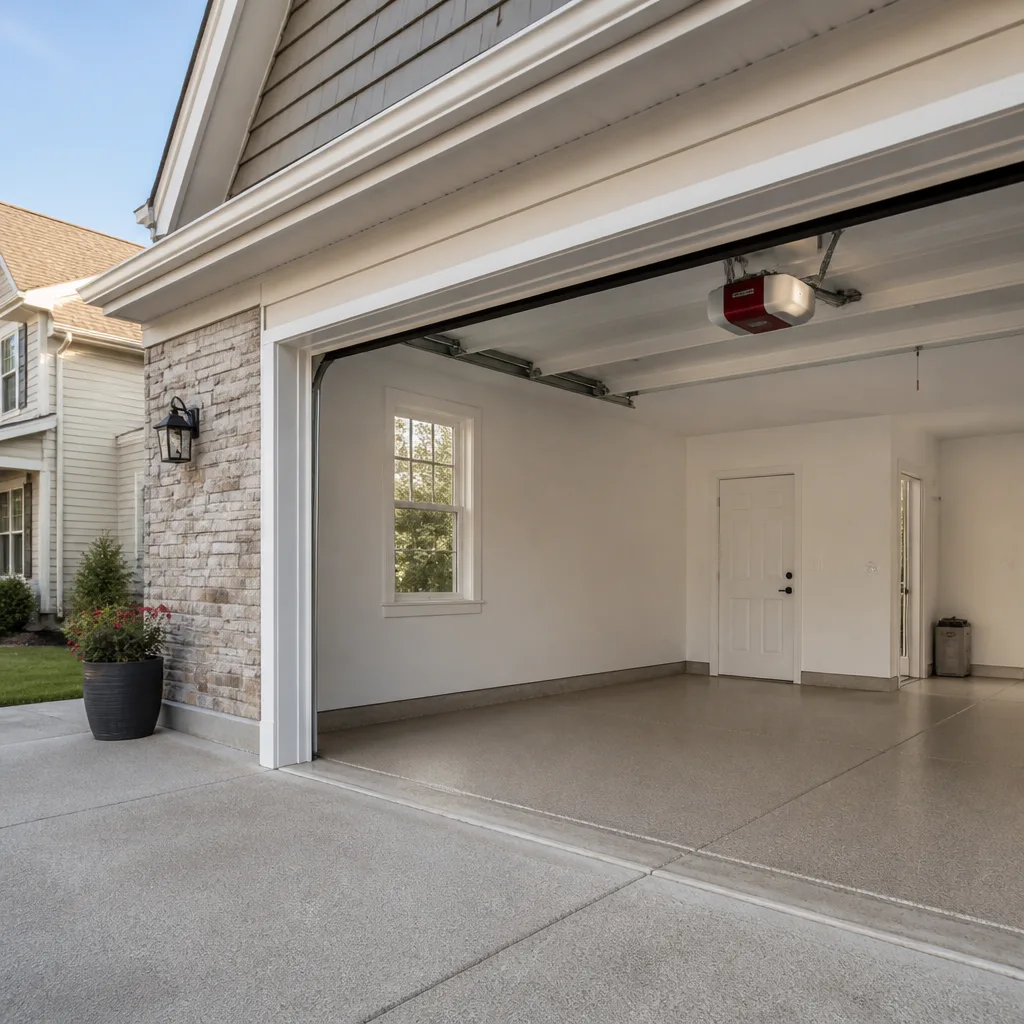 LiftMaster openers
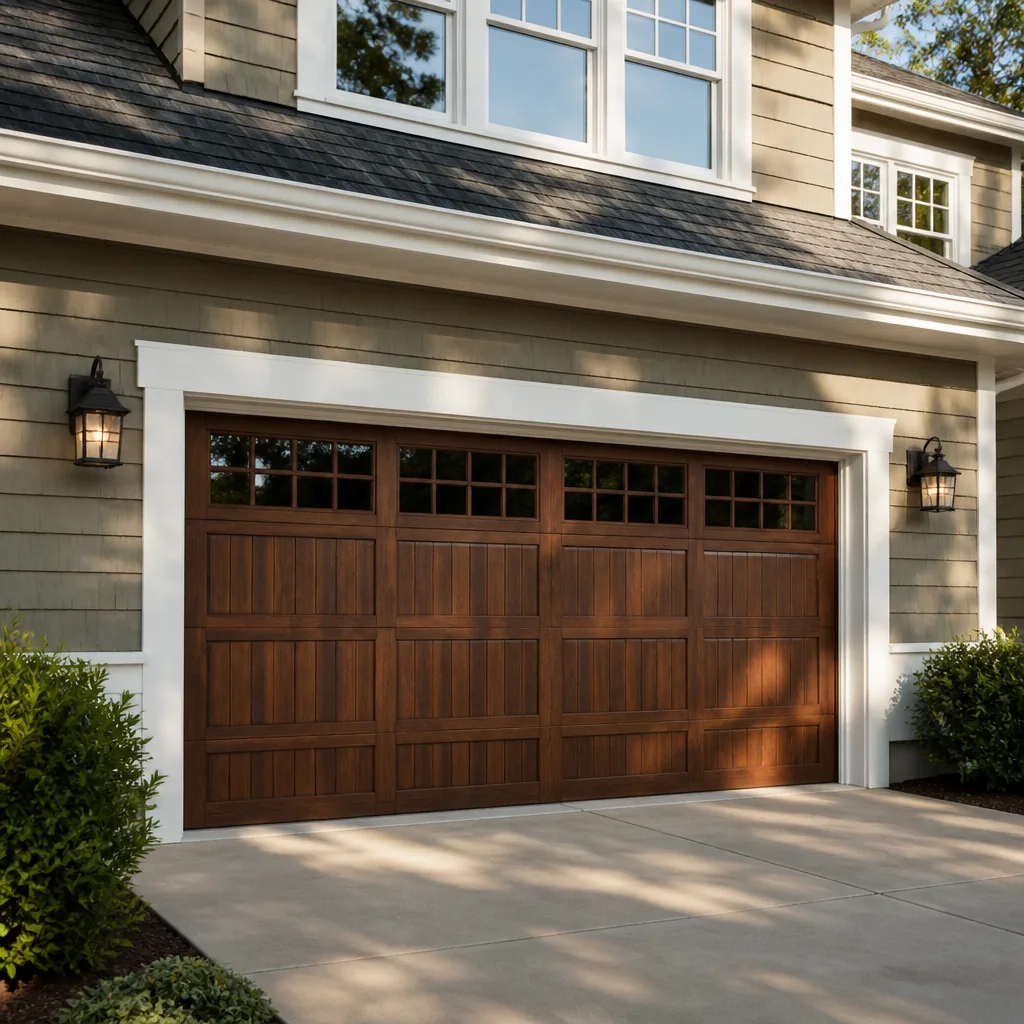 Chamberlain openers
Full 25-point door and opener safety check with every visit - springs, cables, rollers, tracks, and your LiftMaster or Chamberlain opener included
You get a price before we start. It does not change when the pro arrives.
Get your free estimateGarage Door Emergency Preparedness Guide for Carmel Homes
If your garage door spring snaps at 11 PM and your car is inside, there is a manual release cord hanging from the trolley that can get you out in under two minutes. Here is the problem: most homeowners have never actually located that cord on their own opener model, and the dark is a bad time to learn. A garage door emergency in Carmel rarely comes with warning, but it does come with patterns. Springs fail after heavy use, openers quit in cold snaps, and bottom seals freeze to the slab in January. What separates a two-minute inconvenience from an hour of scraping and a damaged opener is what you did before anything broke. This guide walks through the prep work, the moment-of-failure steps, and the recovery – all specific to the doors and weather you actually have.
Quick Answer
A garage door emergency in Carmel is manageable if you know three things ahead of time: where your manual release cord is, how to safely lift your door by hand, and when to stop and call a technician. Springs and cables are dangerous and should be handled by trained professionals, but freeing a car, securing a door that won’t close, and breaking an ice-sealed seal are things you can do safely with the right technique. The rest of this guide is the preparation that makes those three minutes manageable instead of panicked.
Styles & brands we work with
- Raised-panel steel
- Carriage house
- Modern flush
- Full-view glass
- LiftMaster openers
- Chamberlain openers
Table of Contents
- The Pre-Emergency Checklist Every Carmel Homeowner Should Complete
- Locating and Testing Your Manual Release by Opener Brand
- How to Manually Lift a Door with a Broken Spring
- Ice-Sealed Doors: The Carmel Winter Protocol
- What to Have Ready When You Call for Emergency Service
- Securing a Door That Won’t Close While You Wait
- When to Call a Professional Instead of Trying It Yourself
- Frequently Asked Questions
The Pre-Emergency Checklist Every Carmel Homeowner Should Complete
The single most useful thing you can do for a future garage door emergency is spend ten minutes now, with the lights on, learning your own door. Most failures happen at the worst possible moment – a car trapped before a morning meeting, a door stuck open overnight – and the reason they feel catastrophic is that nobody prepared. Spring repair is one of the highest-risk repairs in the trade, and the failures that trigger it tend to happen after long use and cold weather. A little prep removes most of the panic.
Work through this list once. Put a sticky note on the opener housing if it helps.
- Find your manual release cord. It hangs from the trolley that rides the rail. Pull gently and confirm the door disconnects from the opener.
- Confirm the door balances. With the door disconnected (and the door in the down position with springs intact), lift it halfway. A healthy door should stay roughly in place. If it drops, the spring is losing tension.
- Note your opener brand and model. Write it on the wall near the opener. You will need it if you ever call for garage door opener repair.
- Locate your slide lock. Most doors have one on the inside track or the door itself. Confirm you can engage it.
- Check your bottom seal. Run a hand along it. Cracks and gaps are why doors freeze in Carmel winters.
- Note your door dimensions. Width and height, in inches. Single-car and double-car doors need different springs and different parts on the truck.
That is the whole checklist. It takes one evening, and it makes every subsequent section of this guide usable. If you have not done it yet, do it now, before the next failure. The manual release procedure for your specific model is covered in the next section.
Locating and Testing Your Manual Release by Opener Brand
The manual release cord disconnects your door from the opener so you can lift it by hand. It is the single most important piece of garage door hardware most people cannot find. The cord position and tension differ by brand and by drive type, so a generic “pull the red cord” instruction is only half the answer. Here is how it actually breaks down across the most common brands we work with in Carmel.
LiftMaster and Chamberlain
LiftMaster and Chamberlain share the same underlying platform, so the release differs only in labeling. Belt-drive and chain-drive models have a red or black handle hanging from the trolley near the opener motor. On newer units the cord has a plastic knob instead of a loop. Wall-mount openers (LiftMaster 8500 series and similar) usually use a different disconnect – a key or lever on the wall-mount unit itself, sometimes on the door bracket. Locate the trolley first if the cord isn’t obvious; on belt-drive units it sits closer to the motor.
Genie and Craftsman
Genie openers also use a trolley-mounted cord, typically red on newer models and black on older ones. Craftsman (manufactured on the Chamberlain platform) mirrors the Chamberlain layout, so the two are usually identical internally. The common trap: on some Genie models the cord is mounted on the door bracket rather than the trolley, so pulling it disconnects differently and the door will not lift freely until you find the right hardware.
Clopay and Amarr Doors with Any Opener
The door brand doesn’t change the release – the opener does. Whether you have a Clopay, Amarr, Wayne Dalton, or Raynor door, the release cord belongs to the opener. That said, heavier doors (Amarr and Raynor steel models on double-car openings) need more lifting force, and Wayne Dalton doors with the older Torquemaster spring system behave differently when disconnected. If your Wayne Dalton door won’t stay where you put it after disconnecting, do not force it – call us for a look.
Whatever brand you have, test the release once with the door down and the car out. Confirm the door disconnects from the opener, then reconnects when you push the door back up to the trolley. If it doesn’t reconnect cleanly, the trolley may be misaligned.
How to Manually Lift a Door with a Broken Spring
If your spring has broken, the door is dead weight – typically 100 to 250 pounds depending on size and material. You can still get a car out by lifting it carefully, but only if you follow two rules: it takes two people, and you stop the moment something feels wrong. Springs and cables are under extreme tension, and a broken spring can leave a cable under load. Do not touch the spring or cable. Do not try to repair either yourself. The lift you are about to do is a workaround, not a fix.
The two-person lift, step by step:
- Confirm the opener is off. Unplug it or flip the breaker. The door must be in manual mode.
- Disconnect the trolley. Pull the manual release and slide the trolley out of the way.
- Position safely. One person on each side of the door, hands flat on the bottom panel two to three inches from the edges (never through the hinge points). Feet shoulder-width apart.
- Lift evenly. Both people lift in one motion. The door should move smoothly. If it binds or tips, stop.
- Prop it open. Once the door is high enough for the car to clear, use the manual lock or a door prop (a sturdy board or locking pliers on the track) to keep it up. Never leave the door supported by the motor or the opener trolley while it is disconnected.
- Repeat in reverse. When you’re done, reverse the steps to guide the door down. Never drop it.
Doors over 100 pounds need two adults. Full stop. Single-car doors average around 100 to 150 pounds, double-car doors 150 to 250. Single-wall steel doors are lighter, insulated Clopay or Amarr doors heavier, and solid wood doors heavier still. If you are alone, do not attempt the lift. Call for emergency service instead – the door costs far less than a back injury.
Lifting doesn’t fix the spring. Once the car is out, the door should stay down, locked, and untouched until a technician arrives. Spring repair is a dedicated, technique-sensitive job, and the fastest path from here is a call. If it is a daytime emergency, our garage door repair team carries the parts for the most common spring types on the truck.
Ice-Sealed Doors: The Carmel Winter Protocol
When the temperature drops hard in Carmel and the door has been shut for a day, the bottom seal can freeze to the concrete. The opener pulls anyway – the spring or the gearbox takes the strain. This is one of the most common preventable causes of opener failures we see once cold weather settles in. Replacing an opener that failed this way is an avoidable cost.
The tell is a door that groans and shudders on the way up but never actually opens. Here is what to do instead of pressing the button again.
- Stop pressing the remote. Every retry does more damage.
- Disconnect the door from the opener. Pull the manual release.
- Break the seal by hand. Warm (not boiling) water along the bottom seal works. So does a plastic scraper or a putty knife slid gently under the seal. Work along the whole bottom edge, not just one spot.
- Lift the door by hand (two people if it’s heavy) once freed.
- Clear the threshold. Any ice or snow on the concrete under the door will re-freeze it. Scrape and brush it off.
- Reconnect and test. If the door opens cleanly now, you’ve caught it in time. If it still binds, the problem is not ice – call us.
Prevention is worth more than the remedy. Seal the bottom edge before first frost, keep the threshold clear, and if the forecast calls for a hard freeze, lift the door and drop it again before bed so it doesn’t sit frozen overnight. A frozen door that is greeted by a re-tried opener is the exact failure pattern we get called for most in January and February. Skip the opener; go by hand.
What to Have Ready When You Call for Emergency Service
The first sixty seconds of an emergency call shape everything that happens next. A dispatcher who has your door dimensions, your opener model, and a clear description of the failure can give you an accurate window and send a technician with the right parts already loaded. The same call without that information takes longer, often triggers a second trip, and leaves you waiting longer with your car locked in. Emergency garage door service is built for exactly this, but the customer still does the most important work.
Have these five items ready before you dial:
- Your door width and height – measure to the nearest inch. “Double car” is not precise enough for spring matching.
- Opener brand and model. On the back or underside of the motor housing. LiftMaster, Chamberlain, Genie, and Craftsman each have distinct diagnostics.
- Door brand if you know it. Clopay, Amarr, Wayne Dalton, and Raynor each use different spring systems and hinge patterns.
- What actually failed. “Door won’t open” could mean a broken spring, a dead opener, a frozen seal, or an off-track door. Note what you observed: noise, visible breakage, or just nothing happening.
- Whether the car is inside. This changes the urgency and the service approach.
One more thing before you call: if you already tried the manual release, mention it. If the door is currently open, mention that too – an open door overnight in any Carmel neighborhood is a security concern you’ll want handled as a priority. Having that information in hand turns a stress call into a fast booking.
Securing a Door That Won’t Close While You Wait
A door that won’t close leaves your garage, your tools, your bikes, and often your car exposed overnight. You do not need to wait for the repair appointment with the door open. Two safe, non-destructive methods keep the door down until a technician arrives.
Method one: the slide lock. Most garage doors have a manual slide lock on the inside track or on the door itself. With the door disconnected from the opener (manual release pulled) and lowered to the closed position, engage the slide lock. Confirm it holds by pulling up on the door gently. That lock is designed specifically for this – it’s what people used before openers existed. If you don’t have one, a hardware store slide lock is cheap and installs in a few minutes, but pre-install one before you need it.
Method two: the pipe and bar. If the door has a vertical track on each side, a sturdy piece of pipe or a piece of steel reinforcement laid horizontally inside the tracks (behind the door panel) will prevent anyone from lifting the door from the outside. Lock the manual release in the down position so the opener can’t try to move it.
Both methods assume the door is physically able to sit in the closed position. If the door is off its track, twisted, or jammed at an angle, do not force it down. Barricade the opening from the inside, move anything valuable out of the garage, and treat it as an emergency call. For close-in security notes on your own street, a general Carmel Garage Door Repair Co inspection can catch problem track and hinge wear before it becomes an overnight scramble.
When to Call a Professional Instead of Trying It Yourself
A trained professional should handle anything involving springs, cables, tracks, or the opener’s internal mechanism. Those are the components where a mistake can cause serious injury or make an existing problem worse. A trained professional also knows the difference between a door that needs a fix and a door that only needs adjustment, which saves you from premature replacement.
Call immediately if any of these apply:
- The spring is visibly broken, sagging, or has separated from the bracket.
- The cable is slack, frayed, or hanging off the drum.
- The door is off its track, crooked, or binding at one side.
- The door is a full steel door over 150 pounds and the manual lift cannot be done safely by two adults.
- The opener runs but the door does not move (the motor works but the gear, trolley, or spring is broken).
- The door closes on an object and reverses late (the safety sensors are misaligned or the bottom seal is damaged).
- You have a wall-mount opener and the door is stuck open with the car inside.
If your door is stuck, call and describe the situation. We’ll ask about your door dimensions, spring type, and opener brand so we know what to bring. Our technicians have up to 9 years of experience, work on LiftMaster, Chamberlain, Genie, Clopay, Amarr, Wayne Dalton, Craftsman, and Raynor equipment, and can deliver emergency garage door service with a truck stocked for the most common failures. We don’t charge for the estimate; call (855) 904-1455.
Common Mistakes to Avoid
- Pressing the opener button multiple times on a stuck door. Every retry torques the motor, grinds the gear, or stretches the spring under load. In a cold Carmel winter, that retry loop is the difference between a spring repair and a spring repair plus a new opener.
- Lifting a heavy door alone. A double-car door can be 250 pounds. Without a second person on the other side, the door tips, the track bends, and the lift becomes an injury. Two people, minimum, for anything over 100 pounds.
- Cutting or touching a broken spring. Even a broken spring holds residual tension and can recoil unpredictably. Do not touch it, do not try to bend it back, and do not use a spring to prop the door.
- Ignoring the manual release because the opener works. Most homeowners have never located the release cord on their own model. Test it before you need it – on your opener, not a YouTube video of someone else’s.
- Yanking a frozen door open with the opener. Force on a frozen bottom seal is one of the fastest ways to destroy a gear or strip a trolley. Break the ice by hand and disconnect the door first.
- Calling emergency service without door dimensions or opener model. The technician arrives with the wrong springs, has to leave for parts, and you wait twice as long. Have the information ready when you dial.
- Leaving a door open overnight while waiting for a repair. A slide lock or a piece of pipe in the track takes thirty seconds and secures the door until the technician arrives.
See the difference
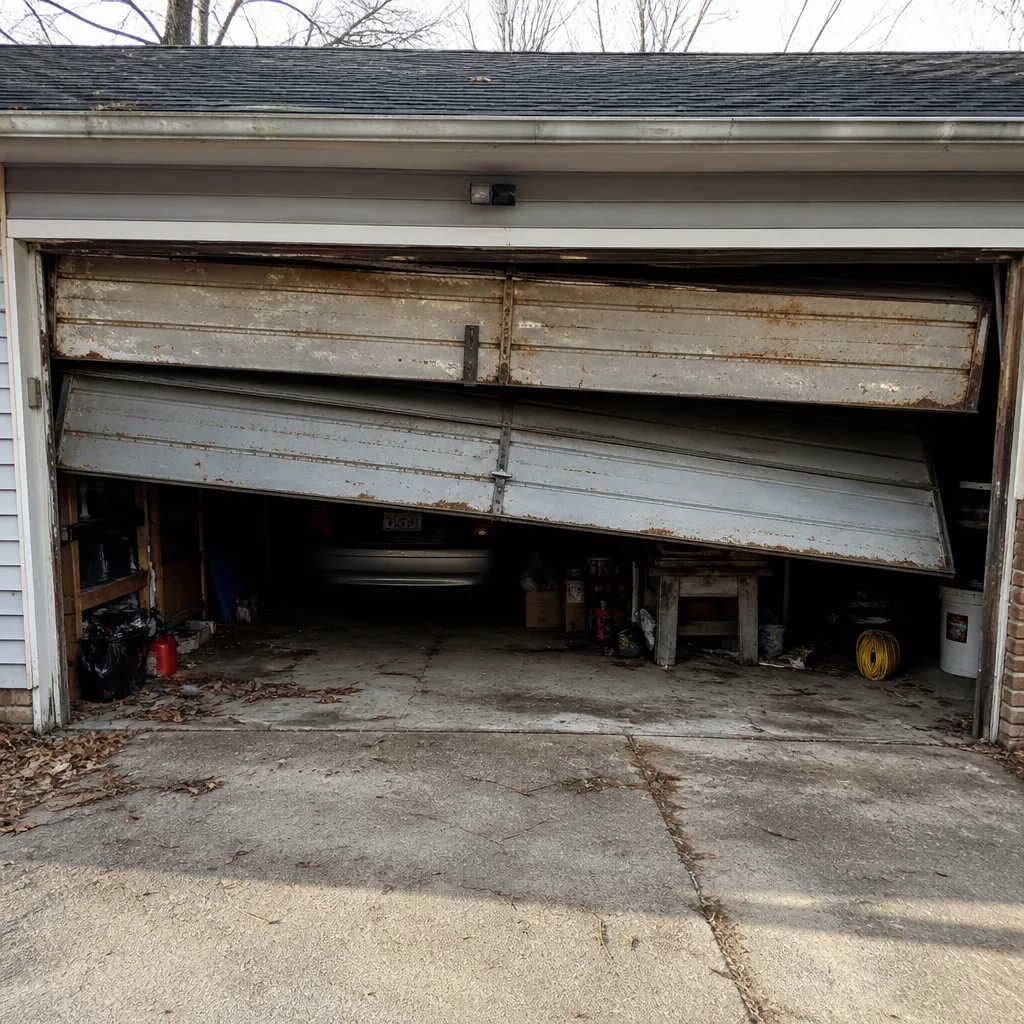 Before
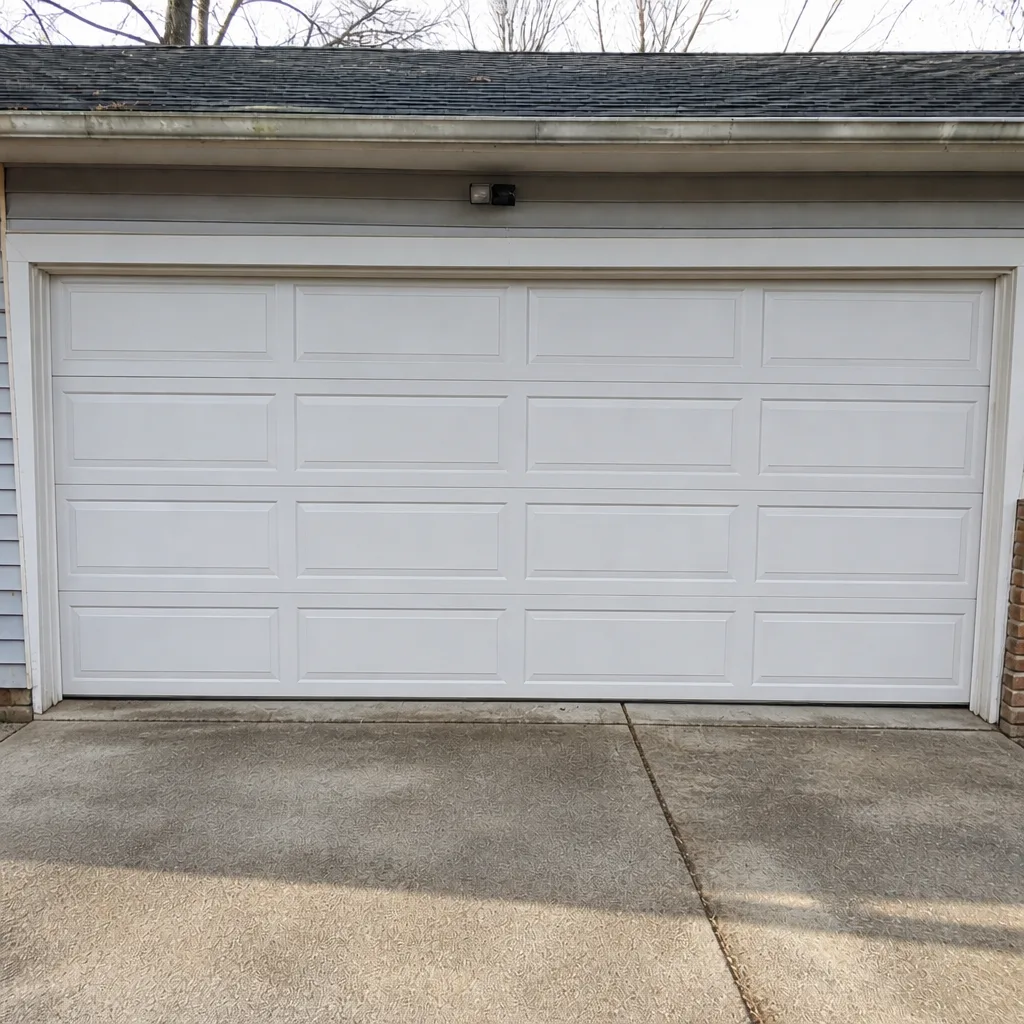 After
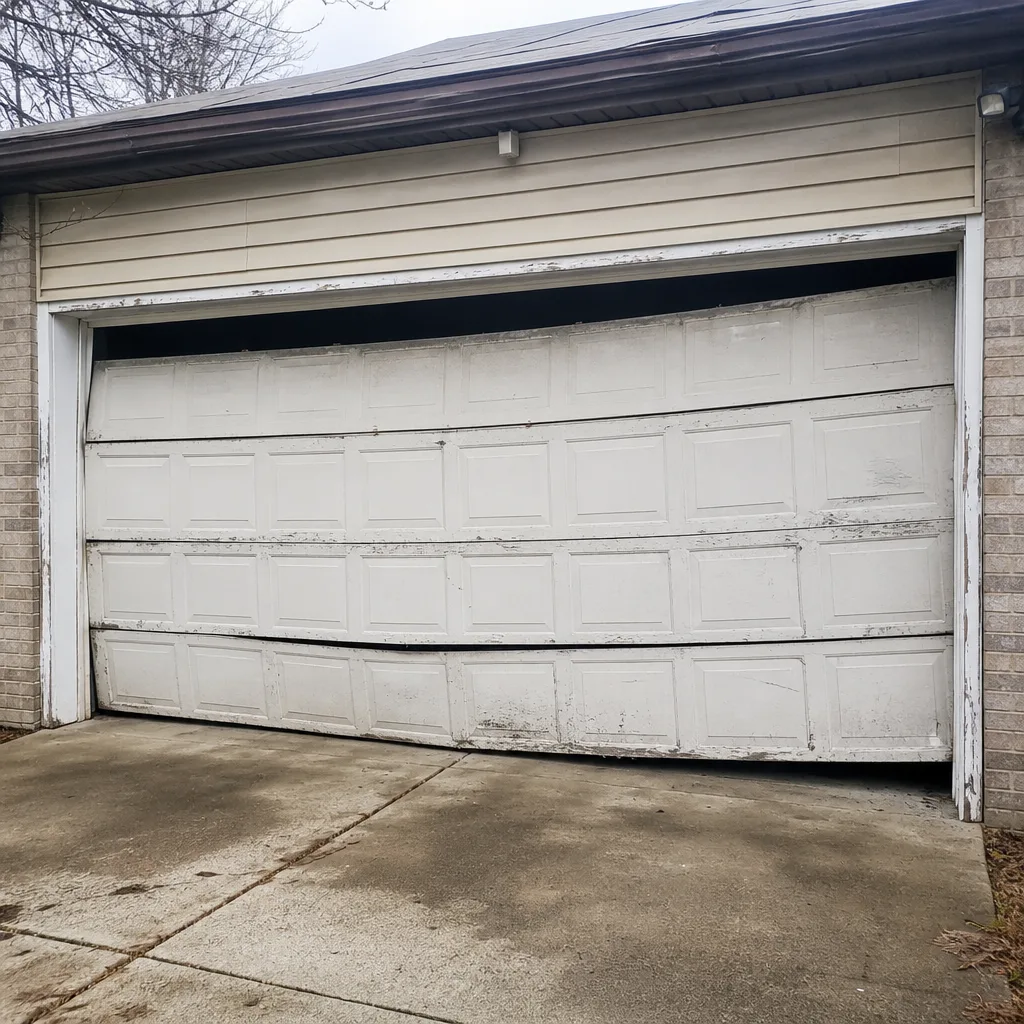 Before
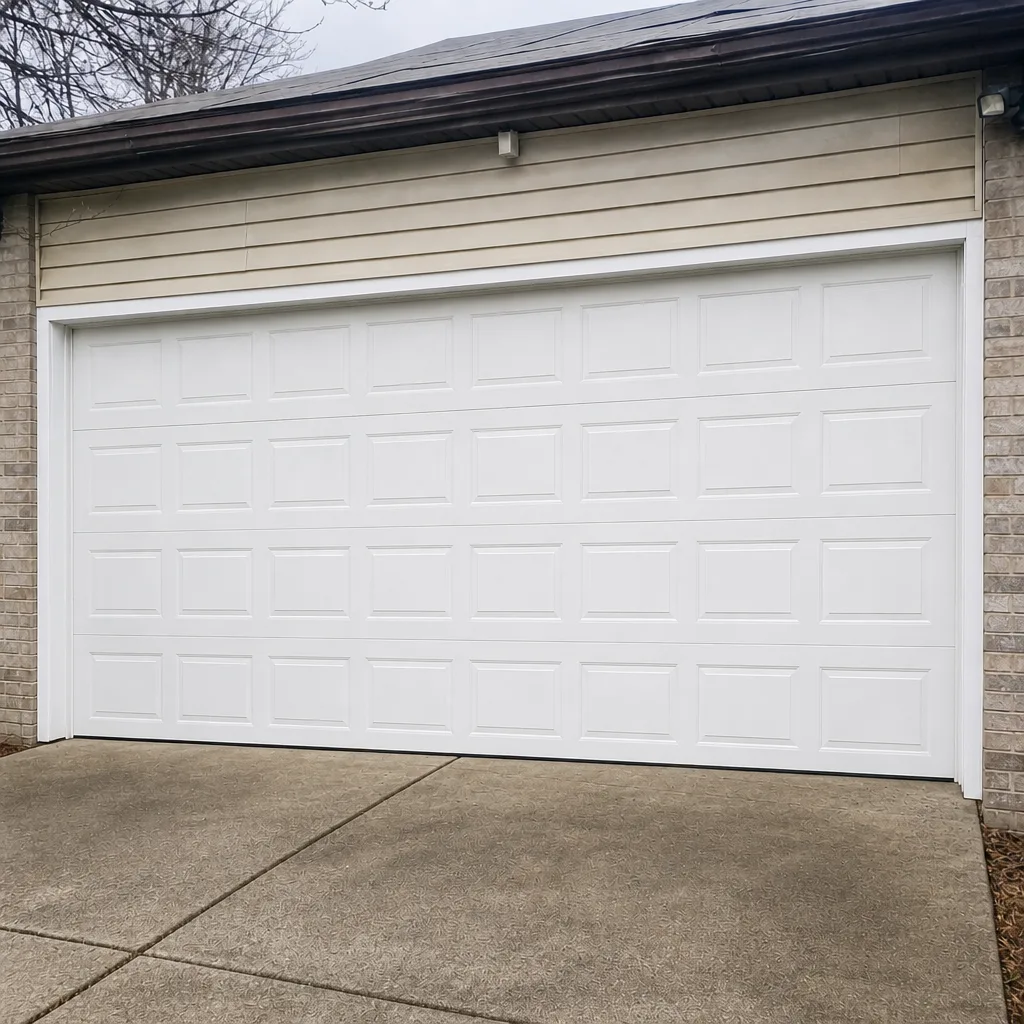 After
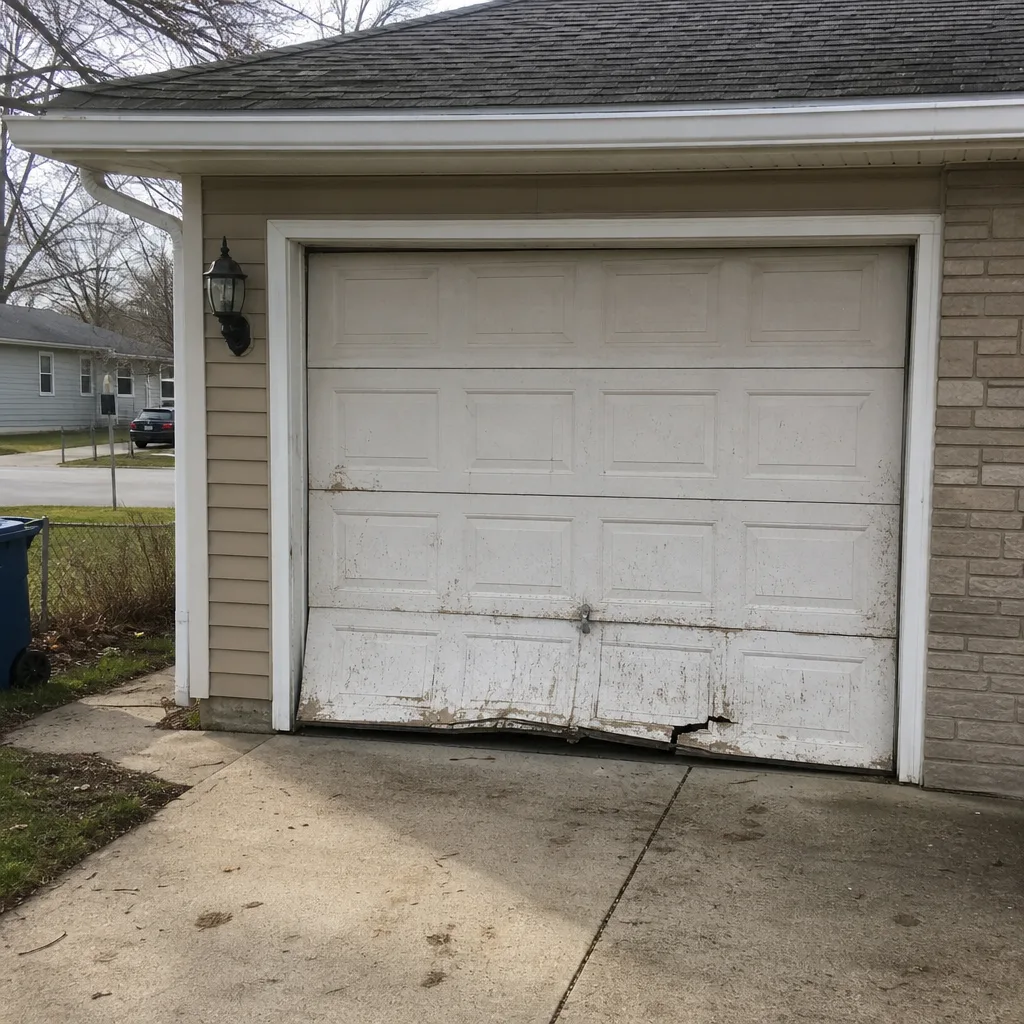 Before
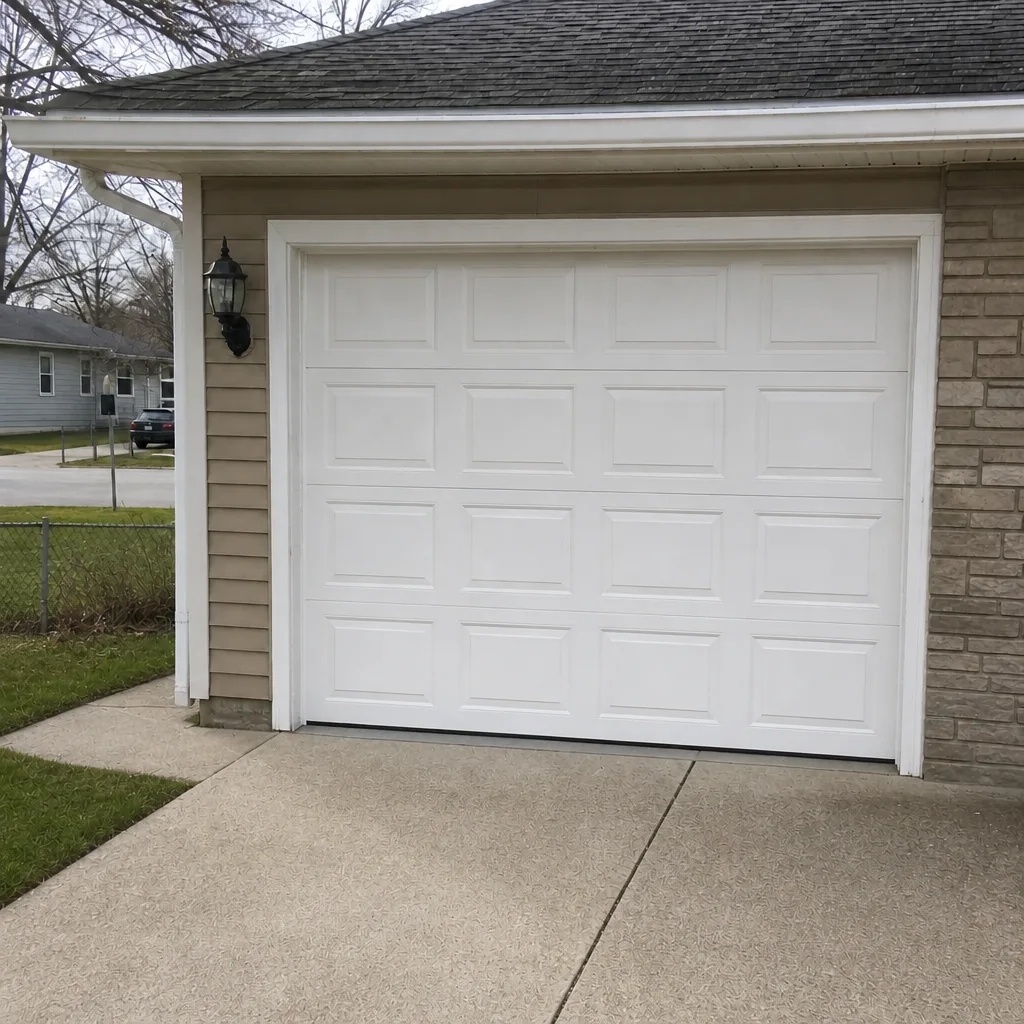 After
When to Call a Professional
Springs, cables, off-track doors, and any opener that runs without moving the door are professional repairs, not homeowner repairs. The higher the door’s weight, the more this holds true – a full weather-sealed Amarr or Raynor double-car door is not a manual-lift candidate for one person. When in doubt, stop, secure the door as best you can, and call. Carmel Garage Door Repair Co offers free estimates in Carmel – call (855) 904-1455, describe the door and the failure, and we’ll set a service window. Our technicians work on the brand already in your garage, diagnose the failure on site, and quote a firm price before starting – so the number you agree to is the number you pay. If the fix is a repair, we repair. If the door and opener have simply reached the end of their useful life, we can quote a full replacement through our garage door installation service.
Frequently Asked Questions
Yes, if you disconnect the door from the opener and lift it by hand. Pull the manual release cord on the trolley, then lift the door with two people (one on each side) if it’s over 100 pounds. Do not touch the broken spring or the cable. Once the car is out, prop or lock the door down and leave it until a technician arrives.
Have your door dimensions (width and height in inches), your opener brand and model, your door brand if you know it, what the door did (sound, behavior, or nothing), and whether a car is currently trapped inside. With those five items, you can get an accurate window and the technician can carry the right springs and parts. Call (855) 904-1455 to book.
No. Pressing the opener against a frozen bottom seal puts the force onto the motor, spring, and trolley and can cause a failure that a ten-minute seal break would have avoided. Disconnect the door, break the seal by hand with warm water or a plastic scraper, clear the ice from the threshold, and only then reconnect and try again. If it still won’t move, it’s not ice – call for garage door repair.
If the door can be dropped to the closed position, disconnect it from the opener and engage the manual slide lock on the inside track. If you don’t have a slide lock, a piece of pipe or steel bar laid horizontally inside the tracks behind the door panel will hold it. If the door can’t sit closed – off-track, twisted, or jammed – barricade the opening from the inside and move valuables out of the garage while you wait.
Emergency service may carry a different rate than a scheduled appointment, and the price depends on what failed – a spring, cable, opener, or track. The exact figure is quoted before any work begins, and no technician should start a repair without a written or verbal number you’ve agreed to. Estimates are free. Call (855) 904-1455 for a same-day quote.
Yes – the local professional who arrives at your home is state-licensed and insured as required. Our technicians have up to 9 years of experience and work across the major brands we service, including LiftMaster, Chamberlain, Genie, and Craftsman openers. If a quote or a credential is unclear when the technician arrives, ask before they start.
The Bottom Line
Preparedness beats panic every time. Locate your manual release cord tonight, write down your door dimensions and opener model, test the slide lock, and inspect the bottom seal before cold weather hits. If a spring breaks, a door freezes, or an opener quits, don’t loop on the button – disconnect, secure, and call. Anything involving springs, cables, or a heavy door lift is a professional repair, not a homeowner decision. The technicians at Carmel Garage Door Repair Co have up to 9 years of experience, work on every brand already in your garage, and quote a firm price before starting. When a door fails and the car is trapped, we move fast. Call (855) 904-1455 for a free estimate.
Written by the team at Carmel Garage Door Repair Co.