Last updated November 21, 2026
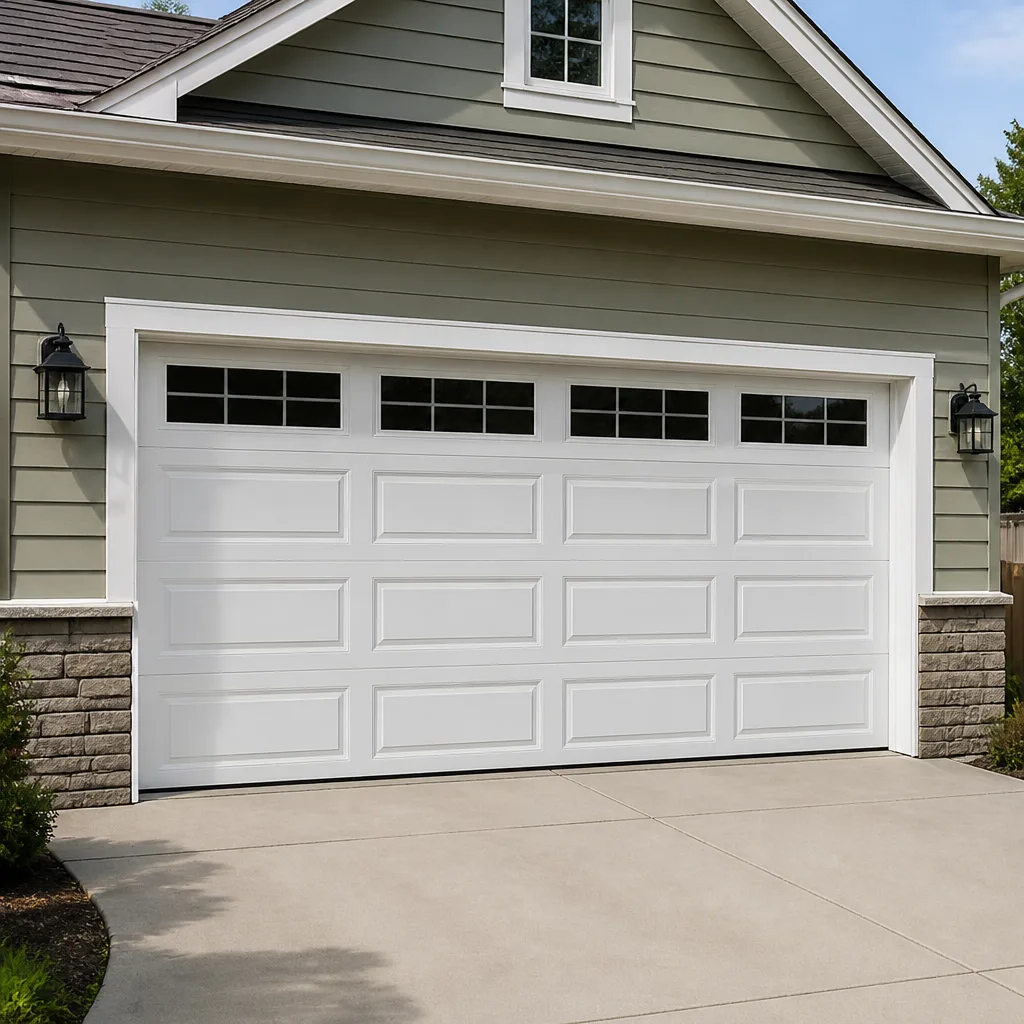 Raised-panel steel
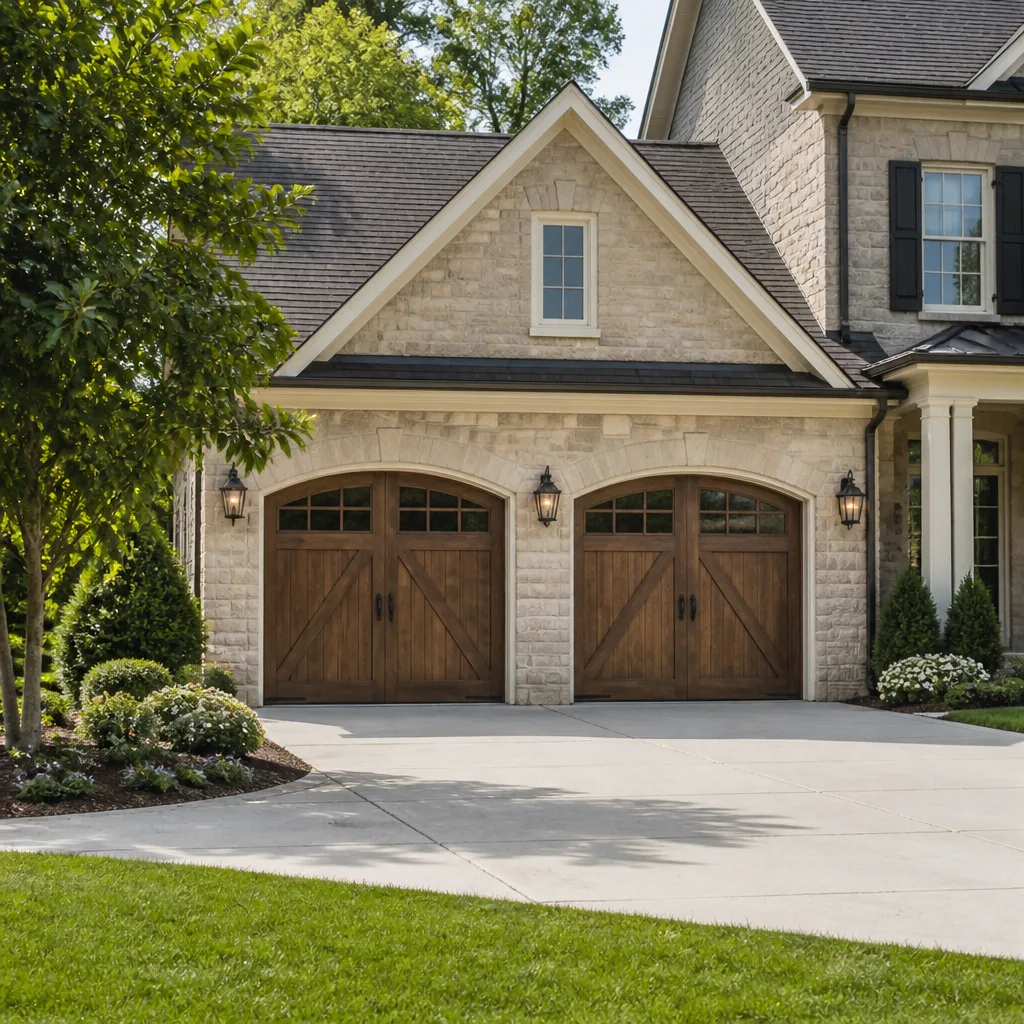 Carriage house
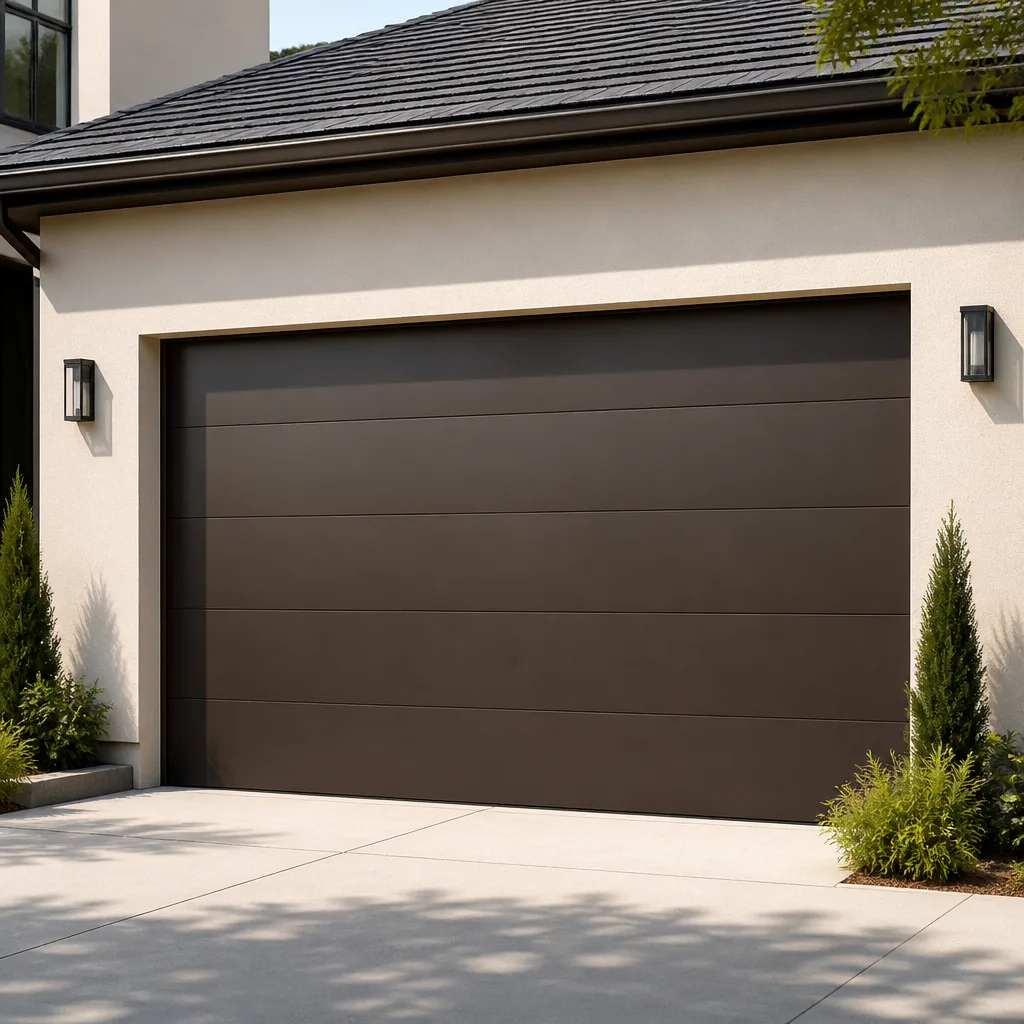 Modern flush
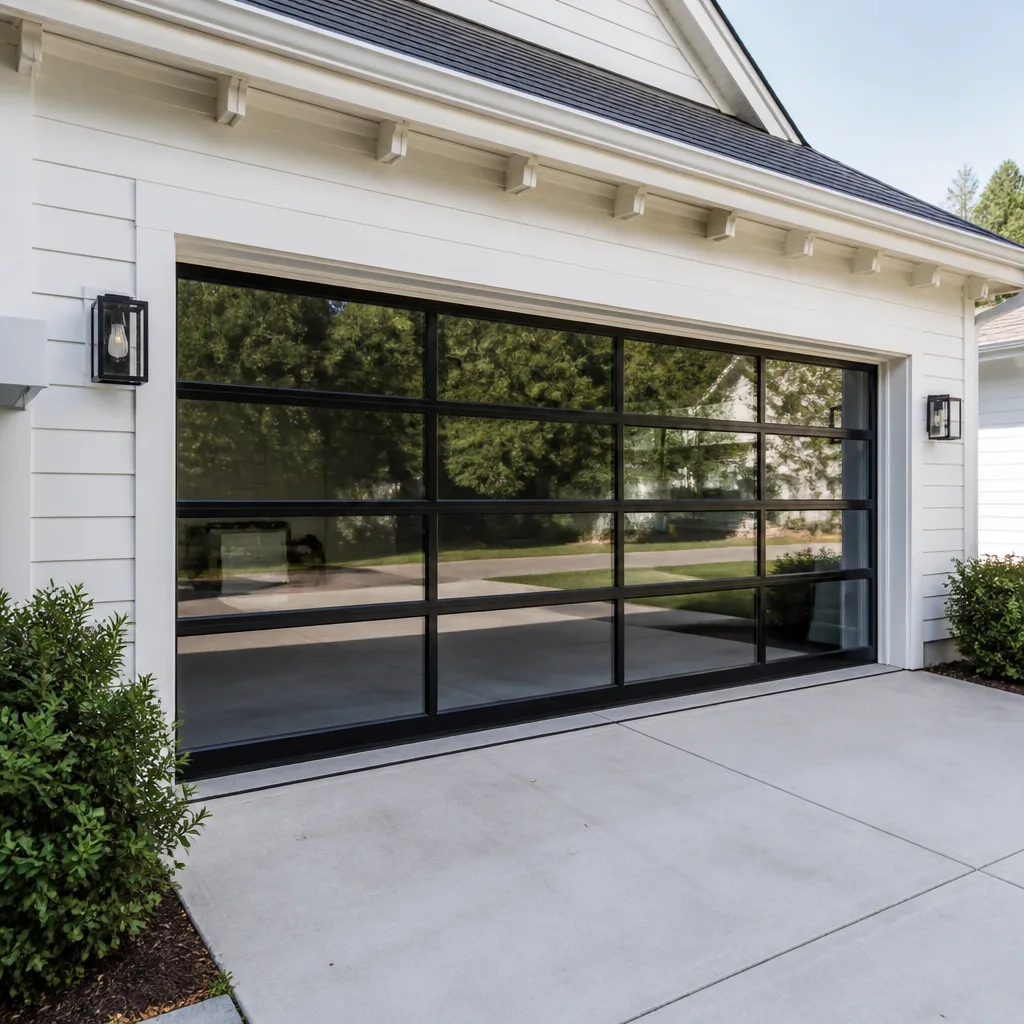 Full-view glass
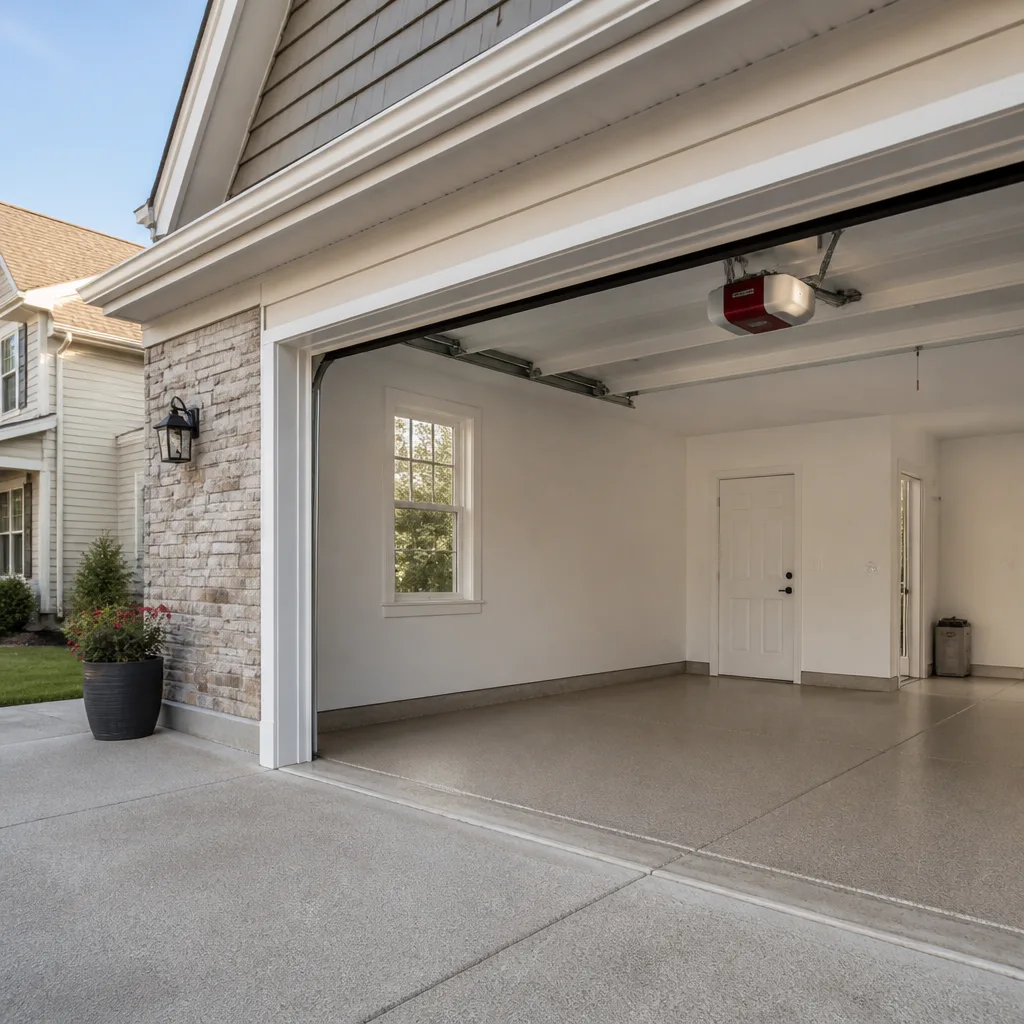 LiftMaster openers
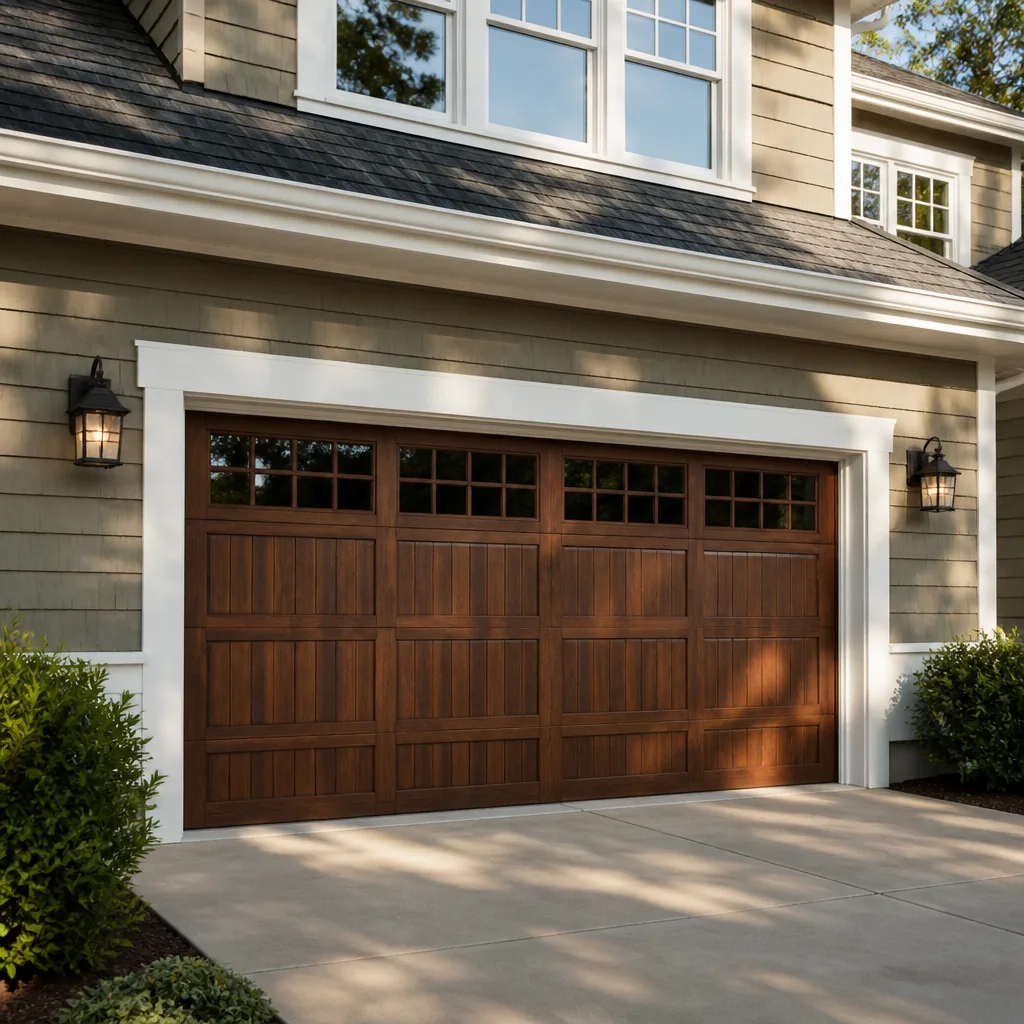 Chamberlain openers
Full 25-point door and opener safety check with every visit - springs, cables, rollers, tracks, and your LiftMaster or Chamberlain opener included
You get a price before we start. It does not change when the pro arrives.
Get your free estimateGarage Door Warning Signs: A Carmel Homeowner’s Reference Guide
A garage door that hesitates for two seconds before it moves is not “just getting old.” That pause is usually an opener motor running at overcurrent, and the reason is often a torsion spring that has been quietly losing tension while the motor works harder to cover for it. If that spring lets go while the door is halfway up, the door comes down fast. Most failures we’re called out to in Carmel give clear warnings days or weeks before they become emergencies. The trouble is that homeowners misread them because they don’t know which component is talking. This guide translates every grind, squeal, pop, sag and slow start into the exact part that’s failing, so you can judge urgency instead of guessing.
Quick Answer
The main warning signs of a failing garage door are a door that pauses before moving, grinding or squealing during travel, a visible gap in a torsion spring, asymmetric sagging on one side, and a motor that keeps running after the door has stopped. A snapping or popping sound with a door that won’t lift means a broken spring, which is an immediate call. Slow travel, degrading remote range and gradual noise usually mean you can schedule. When in doubt, keep the door down and have it checked.
Styles & brands we work with
- Raised-panel steel
- Carriage house
- Modern flush
- Full-view glass
- LiftMaster openers
- Chamberlain openers
Table of Contents
- Sound Diagnostics: What Each Noise Tells You
- Reading a Torsion Spring: The Gap, the Rust, the Lean
- Opener Behavior Flags: Circuit Board, Load or RF Interference
- Tracks, Rollers and Hinges: The Wear You Can See
- The Three-Tier Urgency Framework
- How Carmel Weather Affects Door Hardware
- What a Proper Service Call Looks Like
Sound Diagnostics: What Each Noise Tells You
A garage door is a mechanical system with a handful of moving parts, and each part fails in its own recognizable way. Once you know which sound belongs to which component, the noise stops being background and starts being a status report. Here’s how we map the four most common sounds to the parts behind them, along with how quickly you should act.
Grinding
Grinding is almost always a drive gear inside the opener, usually the plastic gear that wears down on chain-drive and older belt-drive units. On LiftMaster and Chamberlain openers this gear is a known wear item. Grinding that gets louder over a week or two means the gear is shedding teeth. Urgency: schedule within days. Left long enough, the motor runs but the door doesn’t move.
Squealing
Squealing points to a dry roller bearing or a torsion tube running without lubrication. The sound is high-pitched and tends to appear at the same point in the door’s travel. It’s the least urgent of the four sounds, but it accelerates wear on the rollers and hinges if ignored. Urgency: monitor, then schedule a maintenance visit.
Popping
A single sharp pop, often followed by a repeated clicking, usually means a cable has jumped its drum or a torsion spring is binding and releasing. On a two-spring system, one spring can be losing tension while the other carries the load. Urgency: schedule soon. A jumped cable can knot and bind the door, and a binding spring is a spring that’s about to fail.
Banging
A loud bang from inside the garage with a door that suddenly won’t lift is the classic broken torsion spring. The door may come down hard if it was up when the spring snapped. Urgency: stop using the door immediately and call. Do not try to lift it by hand.
Reading a Torsion Spring: The Gap, the Rust, the Lean
Torsion springs are the part of a garage door most likely to fail and the part most worth checking once a season. They sit above the door on a steel shaft, wound tight, and they carry the entire weight of the door. When one breaks, it usually happens at the coil, and the evidence is visible before and after.
The Gap
A torsion spring is one continuous coil of steel. When it fractures, a gap opens in the coil, usually a half-inch or more, and the two halves no longer line up. On a two-spring system, check both. A gap on either spring means the door is being carried by one spring, which is a load it wasn’t designed for.
Rust Pitting
Indiana’s humid summers and freeze-thaw winters work on steel springs the same way they work on a car’s exhaust. Rust pitting on the coil is a precursor to fracture because pitting creates stress points. Pitting that has turned to flaking or deep pockmarks is a strong signal to plan a spring replacement rather than wait for the bang.
The Asymmetric Lean
Stand back from your door and look at the horizontal line at the top. If one side sits noticeably lower than the other, on a two-spring system, that’s the side whose spring is losing tension. On a single-spring door, a lean usually points to a stretched cable or a failing bearing plate. Either way, a lean means the door is no longer balanced, and an unbalanced door strains the opener. If your spring has already gone, our garage door repair team handles spring replacement as a dedicated service, and we treat it with the caution it deserves: torsion springs store enormous force, and adjusting or replacing them is not a homeowner job.
Opener Behavior Flags: Circuit Board, Load or RF Interference
Opener symptoms are frequently misdiagnosed because three very different problems produce similar behavior. The trick is to match the symptom to the cause before you replace anything.
Slow Travel Speed
A door that moves more slowly than it used to, but is otherwise quiet and smooth, is usually fighting a mechanical load: a spring that’s lost tension, a roller that’s seized, or a track that’s out of alignment. The motor is compensating. This is not an opener problem, and a new opener won’t fix it. Have the door balanced first.
Motor Running After the Door Stops
If the motor keeps running for a second or two after the door has come to rest, or the door stops short of fully open or closed, that’s often a travel-limit setting that has drifted, or a logic board that’s losing its programming. On some Genie and Craftsman units, a failing logic board produces exactly this symptom. This is a genuine opener repair, and our garage door opener repair covers belt-drive, chain-drive, wall-mount and smart units across the major brands.
Remote Range Degrading
A remote that once worked from the driveway but now only works from a few feet away is usually an RF interference problem, not a dying remote. LED and compact fluorescent bulbs near the opener, a new metal cabinet, or a recently installed Wi-Fi router in the garage can all shorten range. Swap the remote battery first, then move any new electronics. If range is still short, the receiver in the opener head may be failing.
Tracks, Rollers and Hinges: The Wear You Can See
The overhead track and its hardware take less abuse than the springs, but they wear in predictable places. A five-minute visual check from the floor will catch most of it.
- Roller flat spots. Look at the stem of each roller where it meets the hinge. A worn roller will show a flat spot on the stem and the nylon will look scored or cracked. Flat-spotted rollers make the door lurch and jump in its track.
- Hinge stress cracks. Inspect the mounting holes on each hinge. A hairline crack radiating from a screw hole means the hinge is fatigued and should be replaced before it lets go under load.
- Track gap at the curve. Run your eye along the curved section of the track where it transitions from horizontal to vertical. Any visible gap or dent means the rollers are riding unevenly, which strains the opener and accelerates roller wear.
- Loose brackets. Give each bracket a light wiggle by hand. A bracket that moves was tightened to a tired anchor and needs re-securing.
If you spot any of these on a Raynor or Clopay door, the fix is usually a hardware refresh rather than a new door. It’s also a good moment to check whether your door’s weather seal is still pliable; in Carmel, a dried-out seal lets in cold air and, on an attached garage, that cold reaches the rooms above it.
The Three-Tier Urgency Framework
Not every warning sign means call tonight, and treating them all as emergencies leads to rushed decisions. We sort problems by safety risk, not inconvenience. Use this framework to decide how to act.
Tier 1: Call Immediately
- Loud bang followed by a door that won’t lift: broken spring.
- Door hanging crooked, off its tracks, or one cable slack: call and don’t use the door.
- Door that closes partway and reopens on its own: a safety sensor or reversal issue; leave the door down and don’t force it.
- Door that comes down fast or free-falls: the spring or cable system has failed.
Tier 2: Schedule Within Days
- Grinding or popping that’s getting louder.
- A visible gap in a torsion spring with the door still working.
- Motor that runs after the door stops, or door that stops short.
- Door that leans to one side.
Tier 3: Monitor and Plan
- Occasional squeal that doesn’t affect travel.
- Remote range that’s shortened but the door operates normally.
- Rust pitting on a spring that hasn’t fractured.
- Worn rollers and slightly noisy hinges.
If a failure happens at an awkward time, our emergency service is built to respond when a door won’t close at night or won’t open in the morning. Call us and we’ll book you in, including early mornings or Sundays if the door needs to come down for security or goes up to get a car out.
How Carmel Weather Affects Door Hardware
Carmel’s climate is a real factor in garage door wear, and it’s not the same wear profile you’d see in a milder region. The freeze-thaw cycle between winter and spring works on metal the same way it works on pavement: water gets into a joint, freezes, expands, thaws, and repeats. Springs, hinges, roller stems and track anchors all cycle through this each year, and the wear shows up first as noise.
Summer humidity accelerates rust pitting on springs, especially in a garage that isn’t climate-controlled. Our winters bring cold that stiffens lubricant and makes belt-drive openers work harder in the first cold snap of the season. If your door gets noticeably louder in December, the first suspect is thickened grease, not a failing part. A maintenance visit that clears and re-lubricates the moving parts is a small job that prevents bigger ones.
If you’re replacing hardware on a door you plan to keep, it’s worth checking the door’s balance at the same time. A door that has to be muscled up by hand is telling you the springs are already losing tension. If you’re weighing repair against replacement, our garage door installation team can help you understand the difference in cost and lifespan before you commit. Either way, the first step is a free measure and a written price, not a phone guess.
What a Proper Service Call Looks Like
A proper service call starts with a balance check, not a sales pitch. Before any part is discussed, a technician should lift the disconnected door by hand to confirm it’s balanced, then inspect springs, cables, rollers, hinges and tracks, and then test the opener’s force and travel settings. Only after that should anyone name a repair.
- Disconnect the opener and lift the door by hand to test balance.
- Inspect springs, cables and drums for gaps, pitting and slack.
- Check rollers, hinges and tracks for flat spots, cracks and gaps.
- Test the opener’s force and travel limits and check the safety sensors.
- Lubricate the moving parts and re-check the balance.
- Give you a written price before any work begins.
That last step matters. A price should be quoted and agreed before any work starts, so the invoice you get is the one you signed off on. If any quote isn’t written down, ask for one. The same company that handles a repair today also handles a full door and opener install later, so you’re not looking for a second contractor when the door finally needs replacing. Our technicians have up to 9 years of experience across LiftMaster, Chamberlain, Genie, Clopay, Amarr, Wayne Dalton, Craftsman and Raynor equipment, and we work on the brand already in your garage rather than steering you toward a proprietary system.
Common Mistakes to Avoid
- Forcing a door that won’t lift. If it won’t move, the spring or cable has failed, and pulling it further can snap the remaining spring or send the door down. Keep the door down and call.
- Replacing the opener first. A slow or labored door is usually a mechanical problem, not an opener problem. Replacing the opener before the door is balanced wastes money and puts the new opener under the same strain.
- Ignoring a gap in the spring. A spring with a visible gap is a broken spring. A door running on one spring will eventually fail the second one and can drop.
- Watching only one side of the door. On a two-spring system, the visible spring on one side may be fine while its partner is failing. Look at the top line of the door, not just one spring.
- Spraying lubricant on a failing part. Grease quiets a squeal for a week, which hides the wear rather than fixing it. Lubrication is maintenance, not repair.
- Treating a slow remote as a dying opener. Range loss is frequently RF interference from a new bulb or router, not a failing unit. Try the cheap fixes before calling.
- Skipping the manual balance check. With the opener disconnected, a well-balanced door stays put halfway up. If it drops, the springs are losing tension.
See the difference
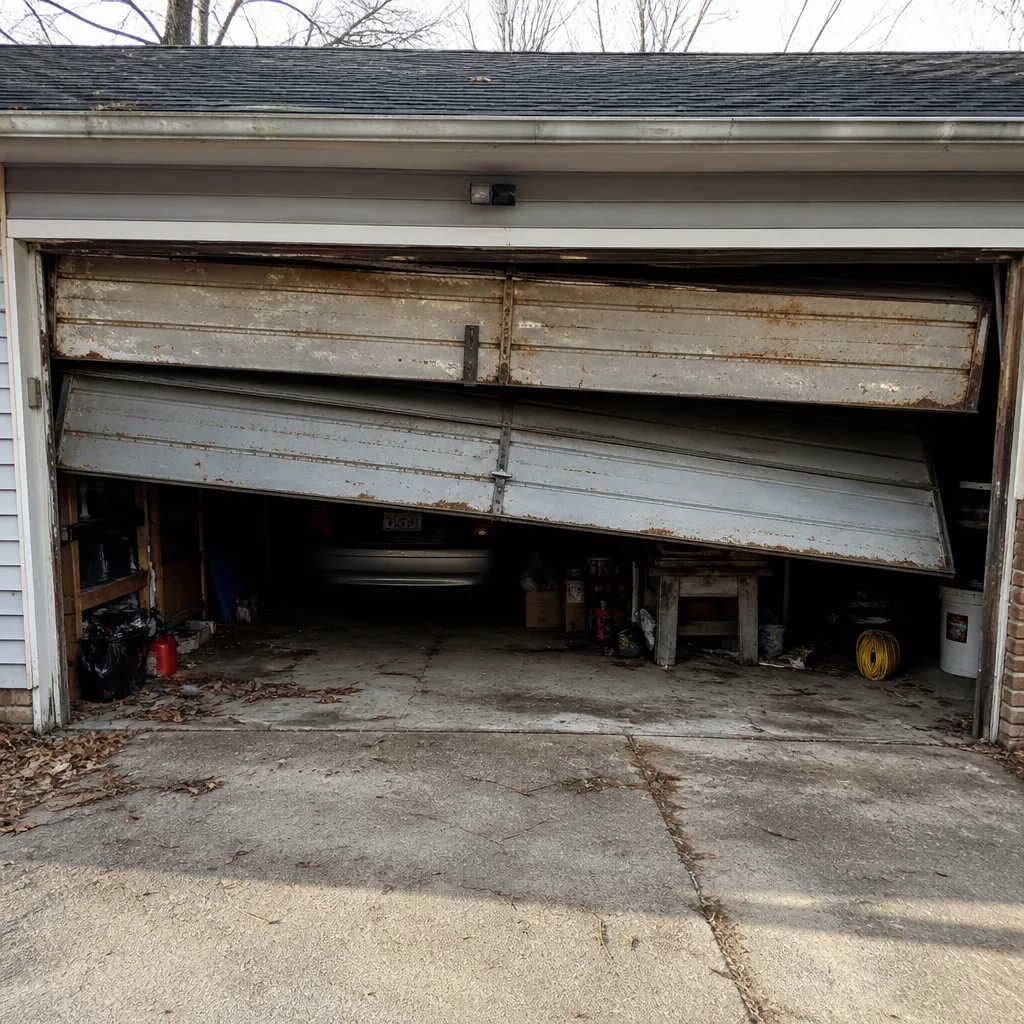 Before
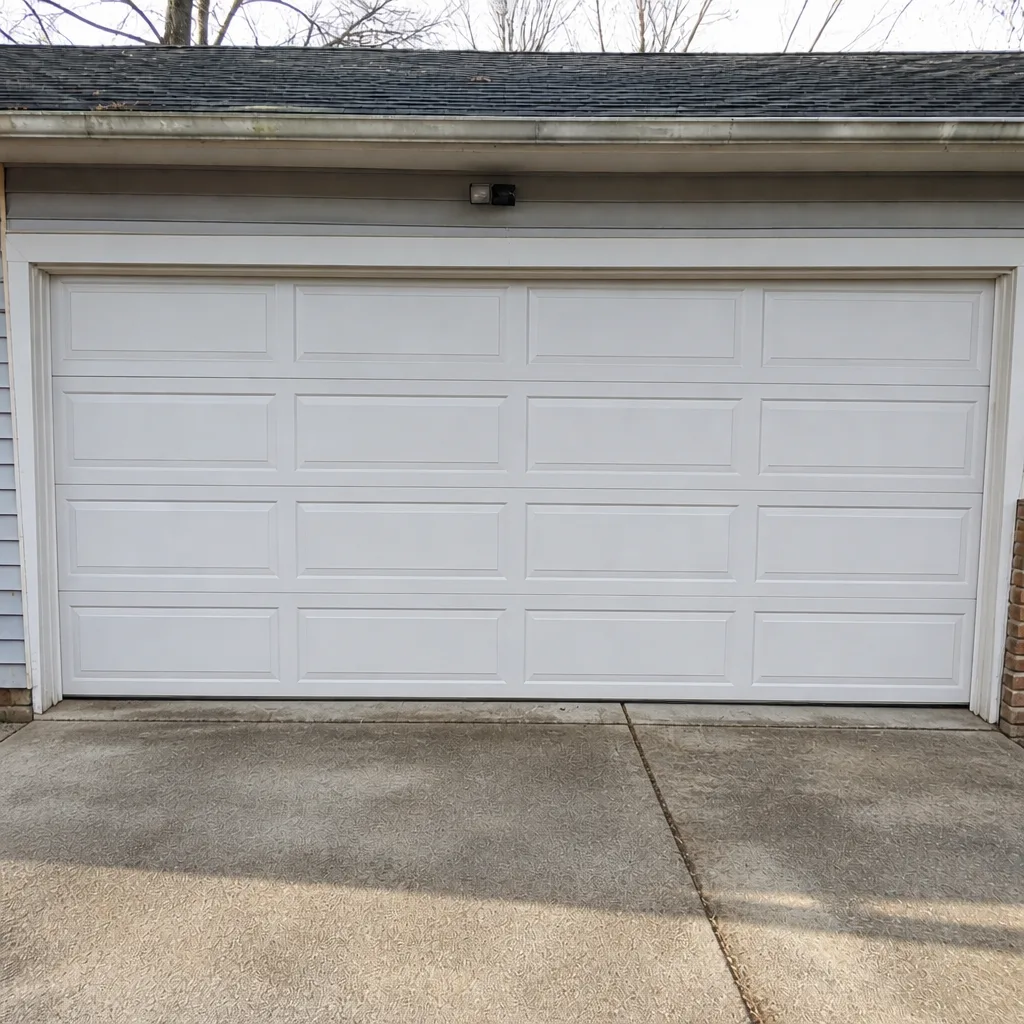 After
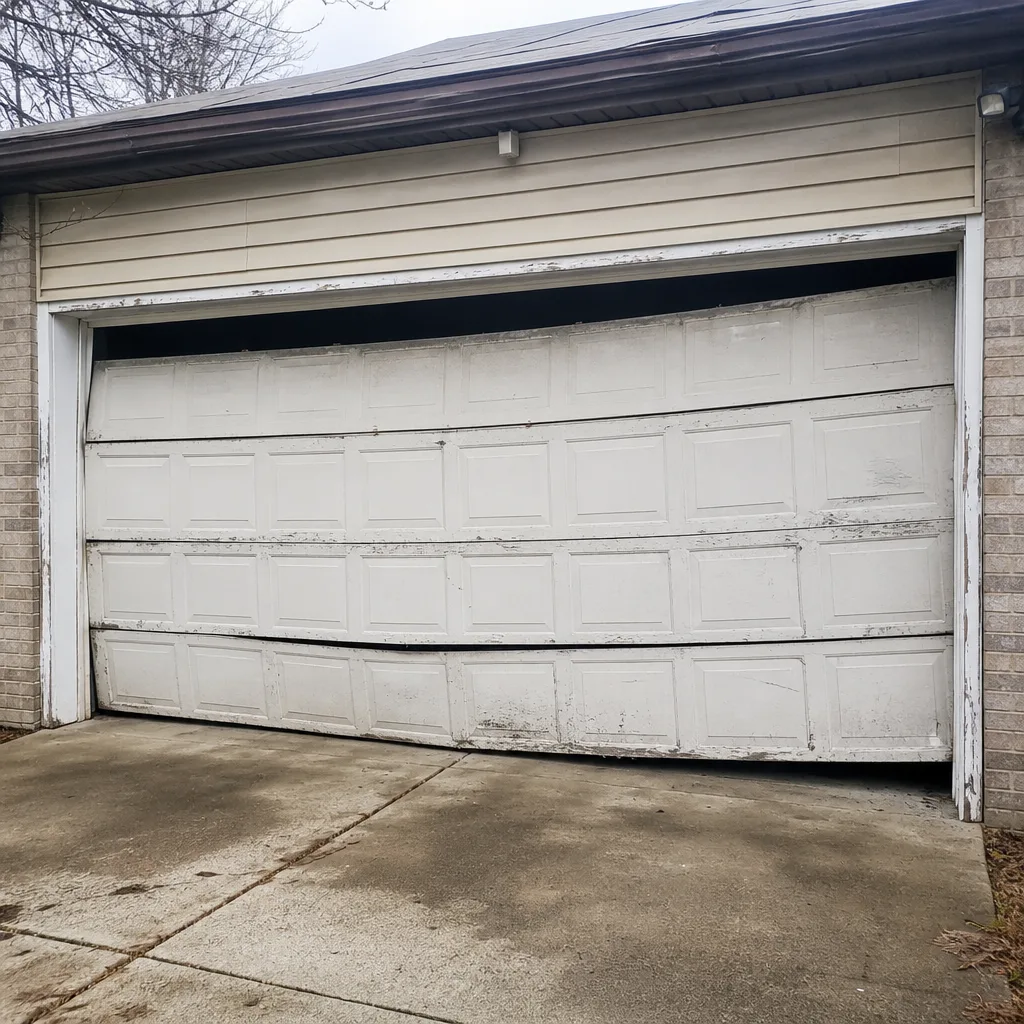 Before
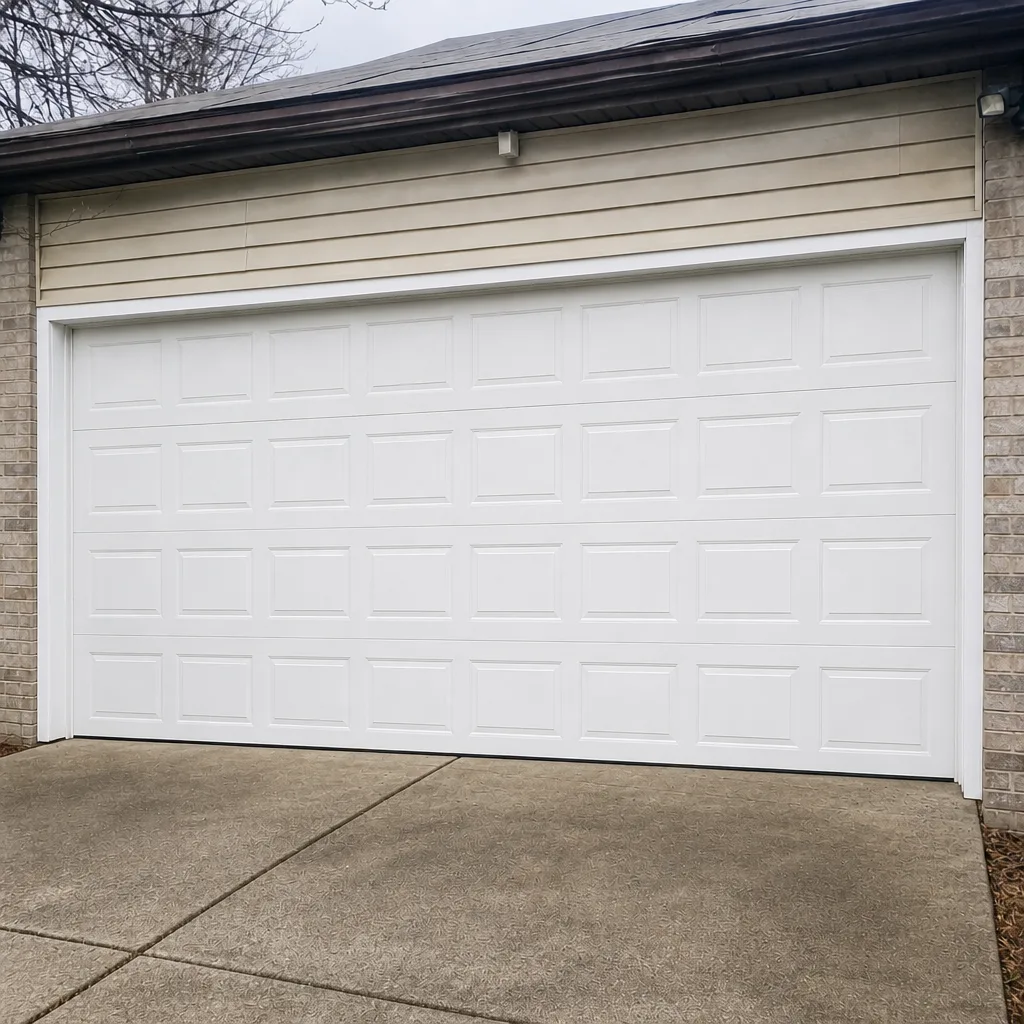 After
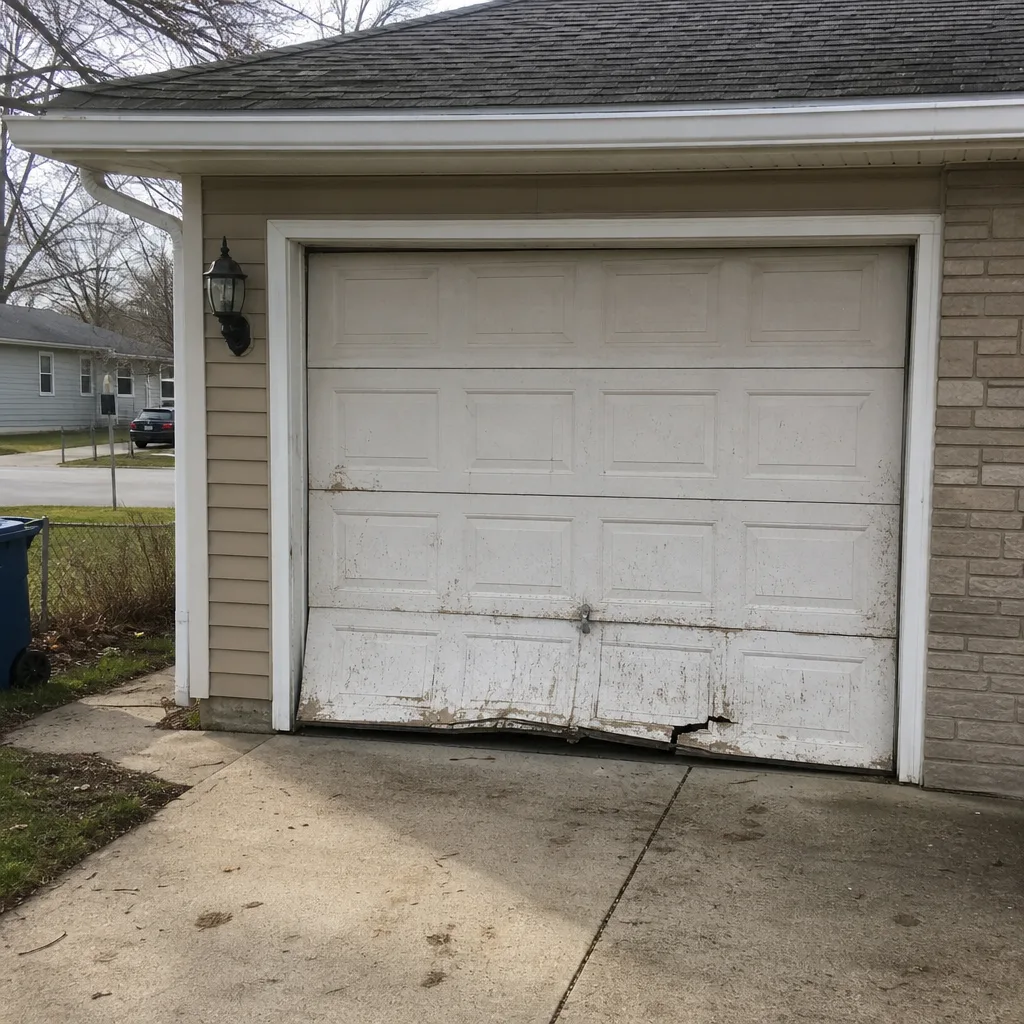 Before
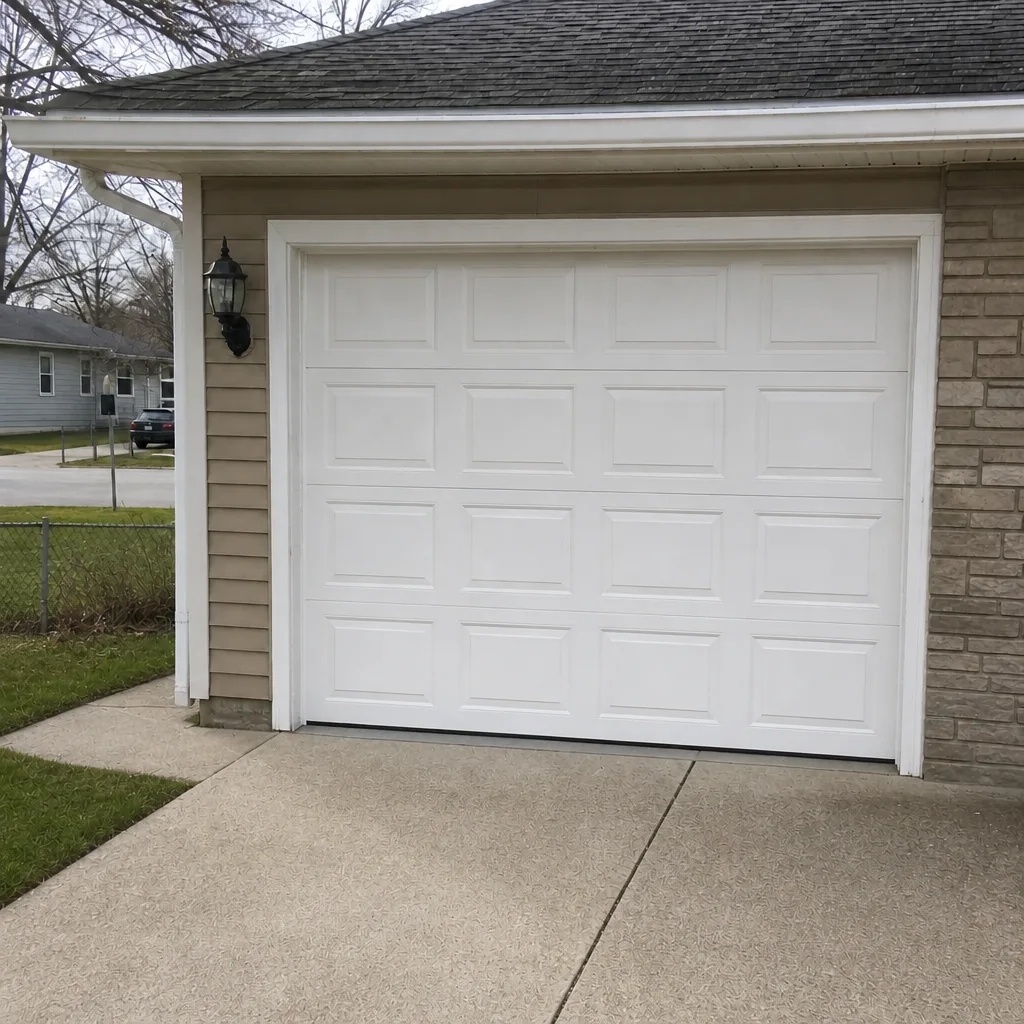 After
When to Call a Professional
Call a professional when the door won’t lift, when it hangs crooked or comes off a track, when a spring has a visible gap, when a cable has gone slack, or when a door reverses on its own. Call for grinding or popping that’s getting louder. Call for any opener symptom that won’t clear after a battery swap and a reset. The dangerous parts of this trade, torsion springs and high-tension cables, are not homeowner jobs: a wound spring can release without warning, and the injury risk is real. Our technicians treat spring repairs as a dedicated service because they need to be done safely, the first time. Carmel Garage Door Repair Co offers free estimates in Carmel; call (855) 904-1455. You’ll get a written price agreed before any work starts, and an honest diagnosis of the right fix rather than the easiest upsell.
Frequently Asked Questions
The most common warning signs in Carmel are a door that pauses before moving, grinding during travel, a visible spring gap, a door that leans to one side, and a motor that keeps running after the door stops. A pause before moving usually means the opener is compensating for a spring losing tension. Call (855) 904-1455 for a free estimate if any of these are showing.
Spring pricing is per spring, so a matched pair costs about twice a single spring, and the written estimate sets the final price. The dangerous part isn’t the cost; it’s handling a wound spring. Call (855) 904-1455 for an exact quote, and estimates are free.
Yes, a door that won’t close is an emergency service call, and we respond when a door won’t move, day or night. Keep the door down if it’s hanging or unbalanced, and call (855) 904-1455. We’ll confirm timing and give you a written price before work starts.
No, a slow opener usually means a mechanical load problem, not a software glitch, and it won’t fix itself. The first check is door balance, because a spring that’s lost tension makes the motor work harder. Have the door checked before replacing the opener. Call (855) 904-1455 to book a free estimate.
A lean on a two-spring door usually means one spring is failing, which is dangerous because the second spring then carries twice the load it was designed for. On a single-spring door, a lean can point to a stretched cable. Don’t force the door; call (855) 904-1455 and we’ll take a look.
Yes, the written quote sets the price, and it’s agreed before any work starts. The technician tests the door, explains what’s failing, and puts the price in writing. If a quote isn’t written down, ask for one. Call (855) 904-1455 for a free estimate.
The Bottom Line
Garage doors rarely fail without warning. It’s just that most homeowners don’t know which component is speaking, so they treat a grinding opener or a hazy rust pit or a two-second hesitation as background noise until the spring finally snaps. Learn the four sounds and what they map to, check the spring for a gap, rust and lean once a season, and read the opener’s behavior before replacing anything. Sort every problem into one of three tiers by safety risk. Know which fixes are yours to make and which aren’t: torsion springs and cables are for trained hands, not a weekend project. If your garage door is showing warning signs and you’re in Carmel, the right move is a professional look before the small fix becomes a big one.
Carmel Garage Door Repair Co handles garage door repair, opener repair, spring repair, installation and emergency service across Carmel. Call (855) 904-1455 for a free estimate, a written price and a clear answer on what’s actually wrong.
Written by the team at Carmel Garage Door Repair Co.